Why Is My Room So Dusty? 10 Causes and Practical Fixes

Your room gets dusty because particles keep arriving from outdoors and coming from everyday materials and activities indoors. Bedding, clothing, pets and tracked-in dirt can all contribute. Cleaning removes the dust you reach, but it does not stop new particles from entering or settling. The most useful starting point is to notice where dust returns first and check the likely source.
What is household dust made of?
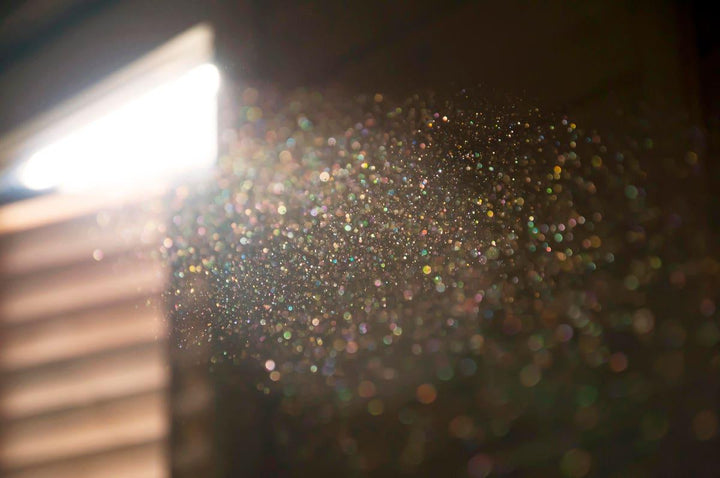
Household dust is a mixture, not one substance. It can include soil, pollen, skin flakes, pet dander, hair, fabric fibers and particles from cooking or other indoor activities. Some stays airborne for a time; some settles and can be stirred up again. The EPA's guide to indoor particles describes these sources and practical ways to reduce dust.
Why does my room get so dusty? 10 things to check
1. HVAC filters need attention
Check the filter in your heating and cooling system, including its size, fit and replacement instructions. An overloaded filter will not work well, but visible dust alone does not prove that your ducts need cleaning. If dust suddenly increases or the system seems different, ask an HVAC professional to inspect the issue before choosing a remedy.

2. Outdoor dirt is coming inside
Look at entryways, windowsills and the area near exterior doors. Shoes, open doors and windows can bring in soil, pollen and other particles. Try removing shoes at the entrance and cleaning the entry mat regularly. Plan ventilation around outdoor conditions rather than keeping windows permanently closed or assuming outdoor air is always cleaner.
3. Fabrics shed fibers and hold dust
Bedding, towels, curtains, rugs and upholstered furniture are worth checking, especially when dust gathers near them. Follow their care labels and include soft furnishings in your cleaning routine. If one blanket or rug sheds heavily, compare the area after washing, cleaning or temporarily moving it instead of assuming every dusty surface has the same cause.
4. Pets add hair, dander and tracked-in dirt
Check pet beds, favorite chairs and the route from the outside door. Clean washable bedding as directed and vacuum the places your pet uses. Grooming can be part of that routine, but the practical priority is removing what collects on surfaces. An air purifier cannot pick up the hair already lying on your couch.
5. Bedding and dust mites need different attention
Mattresses, pillows and bedding can hold dust. Dust mites and their waste are a separate concern from visible lint, so a dusty shelf is not a measurement of mite levels. Wash bedding regularly according to fabric instructions, dry it thoroughly and consider dust-proof mattress and pillow covers. Check bedroom humidity as part of the same routine.
6. Air filtration does not match the room
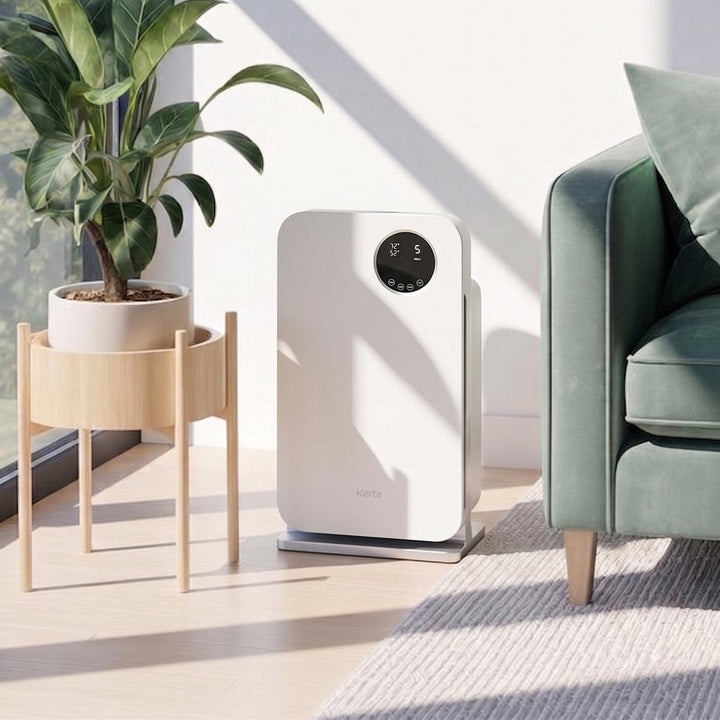
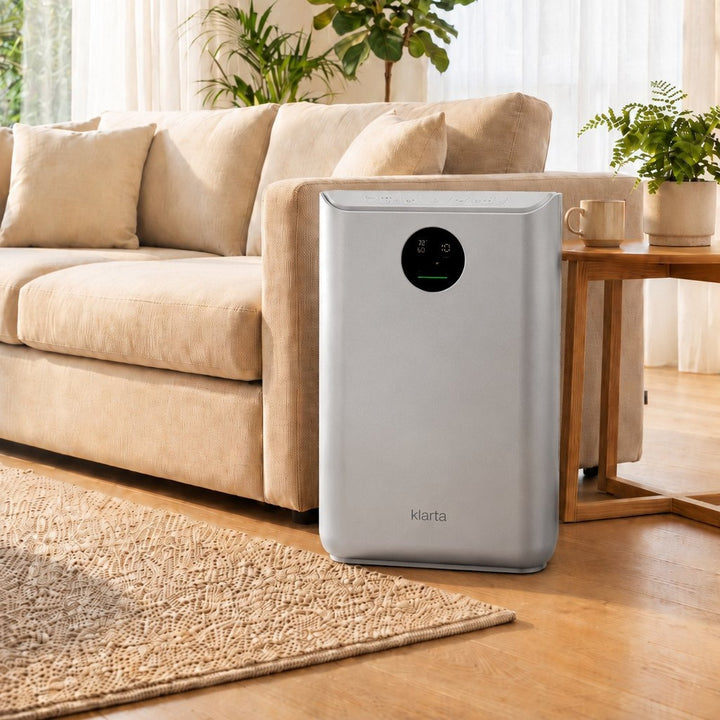
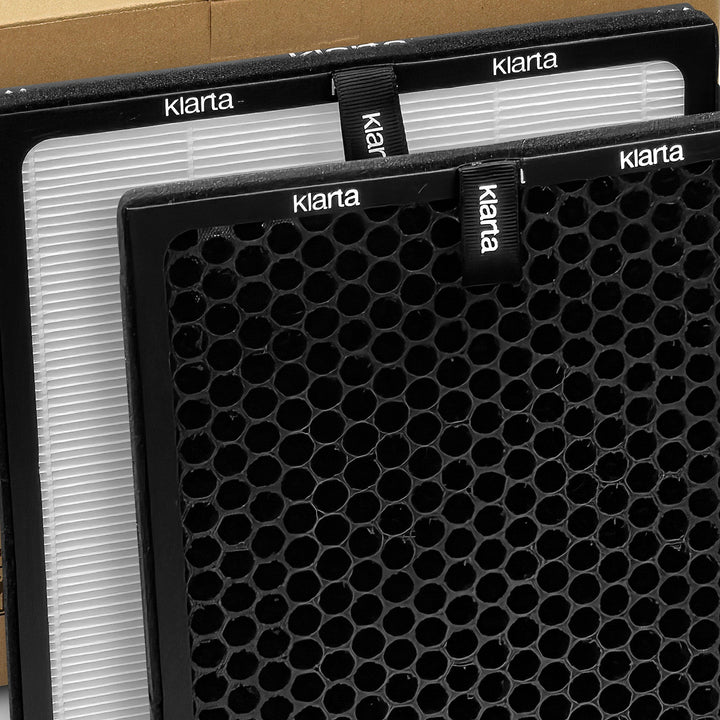
If you use an air purifier, check its filter condition, placement and airflow setting. A device tucked behind furniture or sized for a smaller area may not serve the room as intended. Filtration only works on air that passes through the unit. It supplements cleaning; it does not remove every particle before it lands.
7. Humidity needs measuring, not guessing
Do not add humidity simply to make dust settle. Use a hygrometer to check the room first. EPA's indoor-air guidance recommends keeping humidity between 30% and 50%. Excess moisture can encourage mold and dust mites. A humidifier addresses dry air; it is not a substitute for cleaning or particle filtration.
8. Renovation or nearby construction is adding particles
Consider whether the increase began with sanding, repairs or work near your home. Keep renovation dust contained at its source and use cleanup methods appropriate to the materials involved. Check windows, doors and the route workers use. Running a room purifier should not be the only dust-control measure during a project.

9. Cleaning is stirring up settled dust
Dry brushing and some vacuuming can lift dust back into the air. Use a lightly damp cloth on suitable surfaces, and maintain your vacuum's filters and seals. A vacuum with a HEPA filter can help limit dust escaping from its exhaust. Include areas under furniture rather than repeatedly wiping only the most visible shelves.
10. Airflow is blocked or moving dust around
Poor circulation does not create dust. Air movement can redistribute existing particles, while blocked vents or purifier openings can interfere with filtration. Keep those openings clear according to the equipment instructions. Adding a fan alone is not the same as removing particles, so look for the source and clean the surfaces where dust collects.

Can an air purifier help with a dusty room?
A suitable particle filter can capture airborne dust that reaches it. Dust already resting on floors, bedding and furniture still needs cleaning. The EPA's air-cleaner guide explains why filtration works alongside source control and ventilation.
Match the device to the room and the setting you expect to use. Our room-size and CADR guide explains the measurements. Keep filter maintenance in the routine too.

Choose a practical cleaning and filtration routine
Start with entryways, bedding, pet areas and reachable surfaces, then check filters and less accessible spots. Make one change at a time so you can see what helps. If you are choosing a device, compare coverage, controls and upkeep across our air purifiers for home.

Frequently asked questions
Why is there so much dust in my room after cleaning?
Dust can return from ongoing sources or settle after being disturbed. Check overlooked surfaces, soft furnishings and your cleaning tools before concluding that cleaning has failed.
Why is my bedroom dustier than other rooms?
Look at the amount of bedding, clothing and upholstered furniture, plus pets and outdoor entry points. Compare the rooms' sources and cleaning routines rather than assuming the difference has one explanation.

You do not need a perfectly dust-free room to make useful progress. Focus on the sources you can identify, remove settled dust and use appropriate filtration for what remains airborne.
For a focused equipment guide, read do air purifiers help with dust? For a repeatable cleaning routine, use the daily dust checklist.
Share:
Read also

Dust & allergens
Can Air Purifiers Help With Allergies? What the Science Says
Dust & allergens
Why Is My Room Dusty Every Day? A Practical Cleaning Routine
Dust & allergens
Air Purifier for Asthma: What It Can and Can't Do

Comments