Can Air Purifiers Help With Allergies? What the Science Says

If you're one of the millions of Americans who suffer from allergies, you know how frustrating symptoms can be. Sneezing, congestion, itchy eyes, runny noses, coughing, and poor sleep can make it difficult to feel your best—especially during peak allergy seasons.
Many people focus on outdoor allergens like pollen, but the reality is that indoor air can contain a surprising amount of allergy triggers. Dust mites, pet dander, mold spores, pollen tracked in from outside, and other airborne particles can accumulate throughout your home and continue affecting you long after you've come indoors.

This is why many allergy sufferers turn to air purifiers. But do they actually work?
The short answer is yes. A good air purifier with a fine particle filter can help reduce airborne allergens and improve indoor air quality. However, understanding what air purifiers can—and cannot—do is important when setting realistic expectations.
What Causes Allergies?
Allergies occur when the immune system overreacts to substances that are typically harmless.
Common indoor and outdoor allergens include:
- Pollen
- Dust mites
- Pet dander
- Mold spores
- Cockroach allergens
- Smoke particles
When these particles enter the body, the immune system may release chemicals like histamine, leading to symptoms such as:
- Sneezing
- Nasal congestion
- Itchy eyes
- Runny nose
- Coughing
- Sinus pressure
- Fatigue
Reducing exposure to allergens is often one of the most effective ways to manage symptoms.

Where Do Allergens Hide in Your Home?
Many people assume their home is a refuge from allergy triggers. In reality, indoor environments often contain a mixture of allergens from multiple sources.
Common allergen hotspots include:
Carpets and Rugs
Soft flooring can trap pollen, dust, pet dander, and other particles.
Upholstered Furniture
Couches and chairs act like large filters, collecting airborne debris over time.
Bedding
Dust mites thrive in mattresses, pillows, and blankets.
Pet Areas
Pet dander can remain airborne for extended periods and settle throughout the home.
HVAC Systems
Heating and cooling systems can circulate allergens from room to room.
Even homes that appear clean can contain thousands of microscopic airborne particles.

How Air Purifiers Work
Air purifiers continuously pull air through a filtration system and remove pollutants before recirculating cleaner air back into the room.
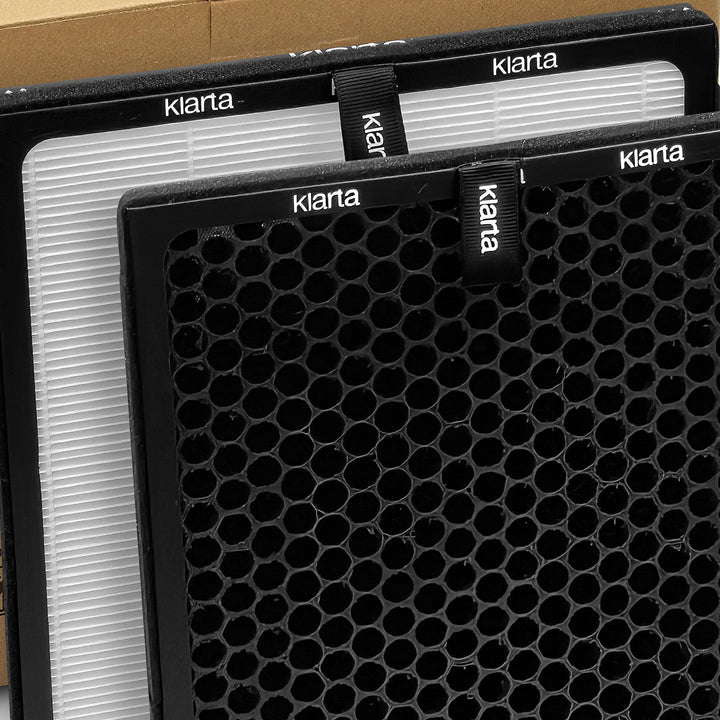
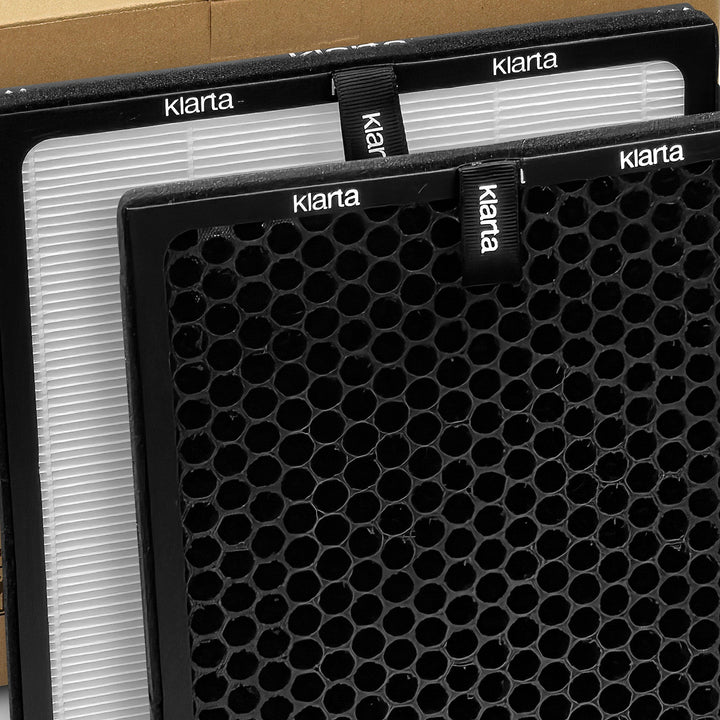
Most high-quality air purifiers contain multiple filtration layers designed to capture different types of contaminants.
Pre-Filter
Captures larger particles such as hair, lint, and dust.
Fine particle filter
Captures extremely small airborne particles, including many common allergens.
Activated Carbon Filter
Helps reduce odors, smoke, and certain gaseous pollutants.
For allergy sufferers, the fine particle filter is the most important component.
Why Fine Particle Filtration Matters for Allergies
A dense particle filter is designed to capture very small airborne particles, including pollen, pet dander, dust and mold spores. Learn more about Klarta purifiers.
Many common allergens fall within or above this size range, including:
- Pollen
- Mold spores
- Pet dander
- Dust particles
As air continuously passes through the purifier, airborne allergens are captured rather than remaining suspended throughout your home.
Which Allergies Can Air Purifiers Help With?
Pollen Allergies
During spring and fall, pollen can enter your home through:
- Open windows
- Doors
- Clothing
- Pets
Even after you come inside, pollen can continue circulating indoors.
Air purifiers help remove airborne pollen particles and reduce overall exposure.

Pet Allergies
Pet dander consists of tiny skin flakes that can remain airborne for long periods.
Because these particles are lightweight, they often spread far beyond the areas where pets spend most of their time.
Air purifiers can help capture airborne dander before it settles throughout the home.
Dust Allergies
Dust itself contains a mixture of particles including:
- Skin cells
- Fabric fibers
- Dirt
- Dust mite waste
While air purifiers won't eliminate dust completely, they can reduce airborne dust levels significantly.
Mold Allergies
Mold releases microscopic spores into the air.
Fine particle filtration can help capture many airborne mold spores and improve indoor air quality.
What Air Purifiers Cannot Do
While air purifiers can be highly effective, they aren't a complete solution on their own.
For example, air purifiers cannot:
- Remove dust mites living inside mattresses
- Eliminate mold growing behind walls
- Prevent pollen from entering your home
- Clean surfaces automatically
Think of an air purifier as one part of a broader allergy management strategy.
How to Maximize Allergy Relief
To get the best results, combine air purification with other good indoor air quality practices.
Vacuum Regularly
Use a vacuum with a high-efficiency, small-particle filter.
Wash Bedding Weekly
Hot water washing helps reduce dust mite buildup.
Keep Windows Closed During High Pollen Days
This limits outdoor allergens from entering the home.
Groom Pets Frequently
Regular brushing and bathing can reduce dander levels.
Change HVAC Filters
Replace filters according to manufacturer recommendations.
Run Your Air Purifier Consistently
The biggest mistake many homeowners make is only using their purifier occasionally.
For best results, air purifiers should operate daily, especially during allergy season.

Where Should You Place an Air Purifier?
Location matters.
The most effective placements include:
Bedroom
Because people spend roughly one-third of their lives sleeping, bedrooms are often the highest-priority location.
Living Room
Large shared spaces can benefit from continuous filtration.
Home Office
Reducing allergens while working can improve comfort and productivity.
Avoid placing air purifiers:
- Behind furniture
- Inside cabinets
- Directly against walls
Proper airflow helps maximize performance.
Air Purifiers vs. Humidifiers for Allergies
Many allergy sufferers wonder whether they need an air purifier, a humidifier, or both.
Air Purifiers
Designed to remove airborne particles such as:
- Pollen
- Dust
- Pet dander
- Mold spores
- Smoke
Humidifiers
Designed to add moisture to dry indoor air.
Dry air can sometimes worsen:
- Nasal irritation
- Dry throat
- Sinus discomfort
For many households, especially in dry climates like Colorado, using both devices together provides the greatest comfort.

Choosing the Best Air Purifier for Allergies
When shopping for an air purifier, prioritize:
A Fine Particle Filter
This is the most important feature for allergy relief.
Appropriate Room Coverage
Choose a model sized correctly for your space.
Quiet Operation
Especially important for bedrooms.
Activated Carbon Filtration
Provides additional support for odors and airborne pollutants.
Energy Efficiency
Since you'll likely run the purifier daily, efficient operation matters.
Why Indoor Air Quality Matters More Than Ever
Many people spend 90% or more of their time indoors. As homes become more energy efficient and tightly sealed, airborne pollutants can remain trapped inside longer than ever before.
Improving indoor air quality isn't just about reducing allergy symptoms—it can contribute to a more comfortable, healthier living environment overall.
For households looking to reduce airborne allergens, air purifiers are one of the most effective tools available.
Can Air Purifiers Help With Allergies? The Bottom Line
Yes, air purifiers can help with allergies.
While they won't eliminate every allergy trigger, a good air purifier with a fine particle filter can reduce airborne allergens such as pollen, pet dander, dust, and mold spores.
For the best results:
- Use an air purifier with a fine particle filter
- Run it consistently
- Pair it with regular cleaning
- Maintain proper indoor humidity levels
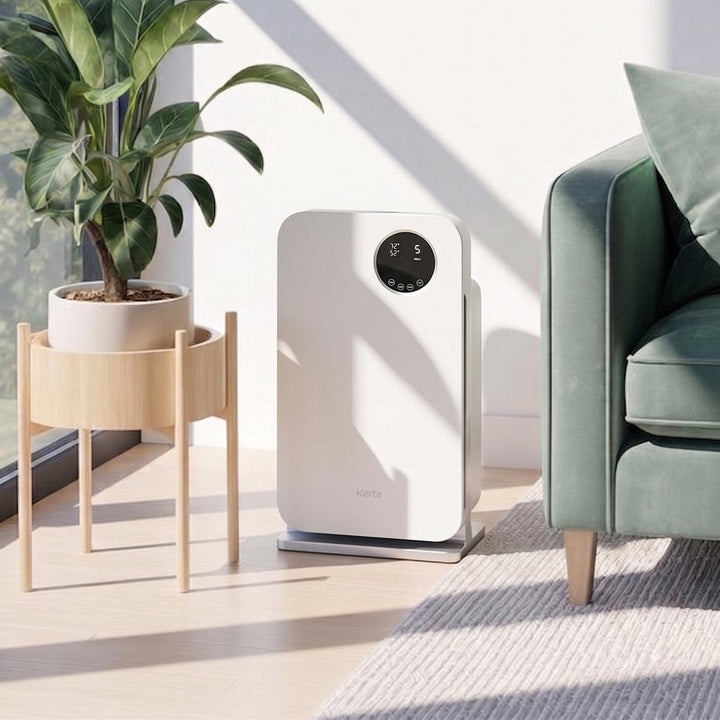
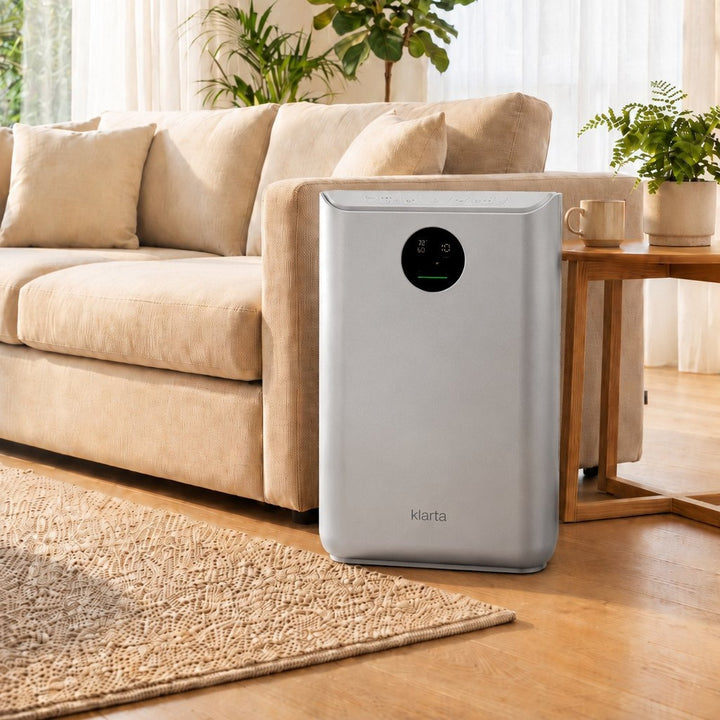
The Forste Smart Air Purifier from Klarta combines multi-stage filtration, including an activated carbon layer, with a modern design, helping homeowners create cleaner indoor air and reduce everyday exposure to airborne allergens.
If you're tired of waking up congested, constantly sneezing, or battling seasonal allergies inside your own home, improving your indoor air quality may be one of the most effective steps you can take.
Share:
Read also

Dust & allergens
Why Is My Room So Dusty? 10 Causes and Practical Fixes

Dust & allergens
Why Is My Room Dusty Every Day? A Practical Cleaning Routine
Dust & allergens
Air Purifier for Asthma: What It Can and Can't Do

Comments