Wildfire Smoke: How to Protect Indoor Air

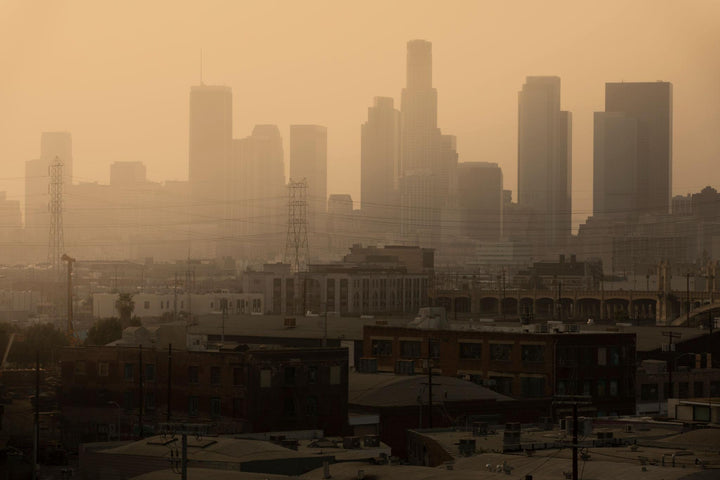
Wildfire smoke is no longer a rare event. In many parts of the country, it has become a seasonal reality. Even if you live far from an active fire, smoke can travel hundreds of miles and still affect the air you breathe inside your home.
The challenge is that wildfire smoke is not just unpleasant. It carries fine particles that can get deep into your lungs and impact your health over time. The good news is that there are clear, practical steps you can take to protect your indoor air.
Wildfire smoke contains a mix of gases and tiny particles. The most important of these are called PM2.5, which are particles smaller than 2.5 microns.
These particles are small enough to:
- Stay suspended in the air for long periods
- Enter your home through tiny openings
- Be inhaled deep into your lungs
This is why you might notice symptoms like:
- Dry throat or coughing
- Headaches
- Fatigue
- Worsened allergies or asthma
Even if you cannot see the smoke clearly, it can still be present in the air indoors.
Why Indoor Air Gets Worse During Wildfires
It is easy to assume that staying inside fully protects you. Unfortunately, that is not always the case.
Smoke enters homes through:
- Doors and windows
- Air leaks around vents and insulation
- HVAC systems pulling in outside air
Once inside, these particles can linger for hours or even days.
This means your indoor air can sometimes become just as polluted as the air outside, especially without proper filtration.
Step 1: Keep Outdoor Air Out
The first step is to reduce how much smoke enters your home. Focus on:
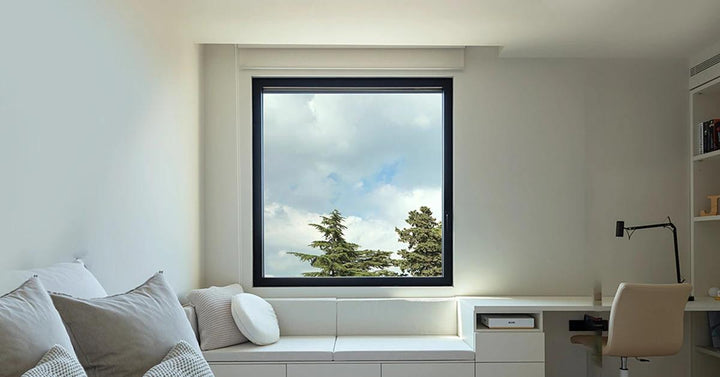
- Keeping windows and doors closed during smoke events
- Sealing gaps with weather stripping or draft blockers
- Limiting ventilation that pulls in outdoor air
If you use air conditioning, set it to recirculate instead of bringing in outside air. This step alone can make a noticeable difference.
Step 2: Use a High-Quality Air Purifier
This is where the biggest impact happens.
An air purifier with a fine particle filter is designed to capture the fine particles found in wildfire smoke. When used correctly, it continuously removes pollutants from the air before they build up.
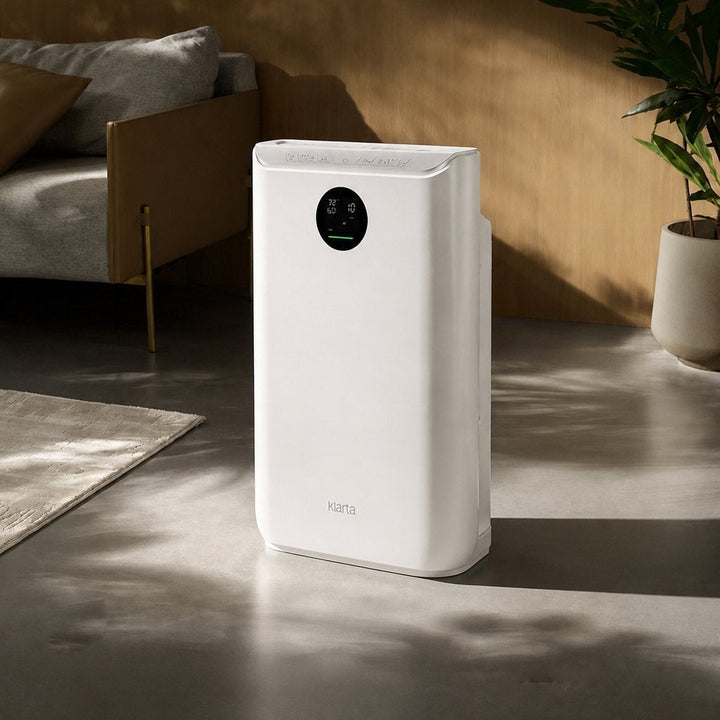
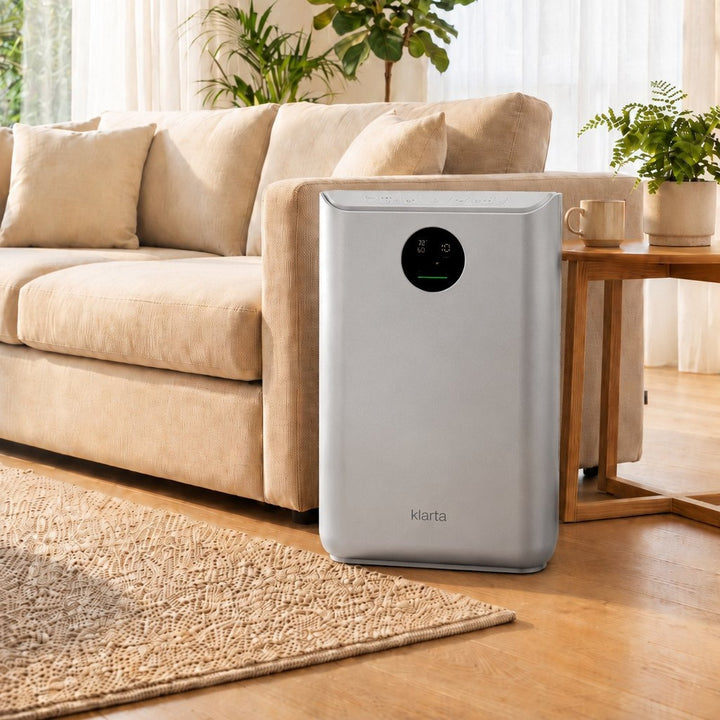
A well-designed system like the Klarta Forste and Klarta Stor air purifiers can:
- Capture fine airborne particles
- Reduce smoke, dust, and allergens
- Improve air quality in real time
Placing a purifier in your main living space or bedroom can significantly reduce exposure, especially during peak smoke periods. For best results:
- Run it continuously
- Keep doors closed in the room you are purifying
- Match the unit size to your room
Step 3: Create a Clean Air Room
If smoke levels are high, it is smart to designate one room as your “clean air space.” This is usually:
- A bedroom
- A smaller room that is easy to seal
Set it up with:
- Windows closed
- Minimal gaps for air leaks
- A running air purifier like Klarta positioned near where you spend the most time
This gives you a reliable place to breathe cleaner air, especially during sleep.

Step 4: Avoid Adding Indoor Pollution
During wildfire events, your indoor air is already under stress. Avoid activities that make it worse. Try to limit:
- Burning candles or incense
- Cooking that produces smoke
- Vacuuming without a high-efficiency filter
- Smoking indoors
Even small sources can add to the total particle load in your home.
Step 5: Monitor Your Air Quality
One of the biggest advantages today is being able to track your air quality in real time.
Many modern air purifiers, including Klarta, include built-in sensors that show:
- PM2.5 levels
- Air quality status
- Changes throughout the day
This helps you:
- Know when conditions improve
- Adjust your setup if needed
- Gain confidence that your air is actually cleaner
Instead of guessing, you can see the results.
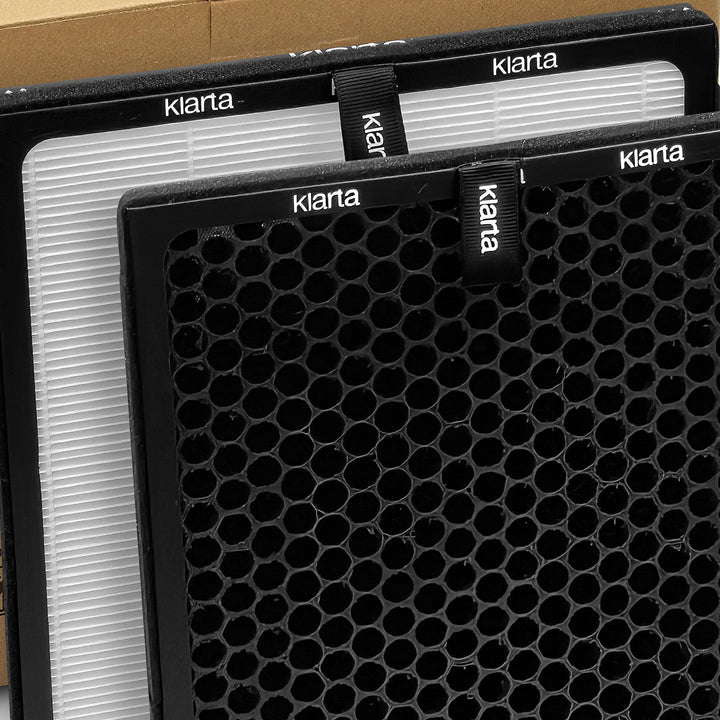
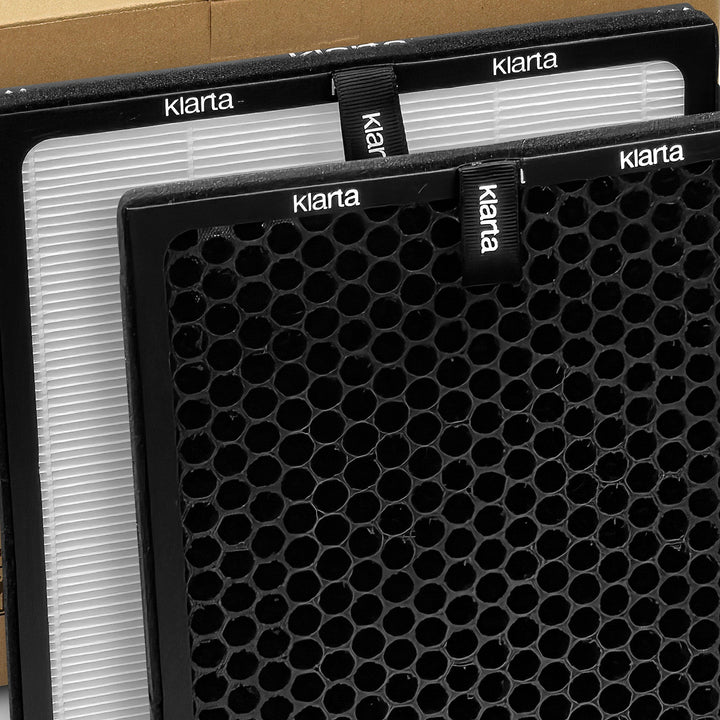
Step 6: Replace Filters on Schedule
Air purifiers only work as well as their filters. Wildfire smoke can load filters faster than normal, so it is important to:
- Check filters regularly during smoke events
- Replace them according to recommendations
- Avoid waiting until performance drops
A fresh filter ensures consistent protection and keeps your system running efficiently.
For the Klarta Stor, filter life is about 2 years while the Klarta Forste is about 1 year. We recommend replacing more quickly if your purifiers are running on high for an extended timeframe due to seasonal changes such as wildfire smoke, for best results.
 The Long-Term Impact of Cleaner Air
Protecting your indoor air during wildfire season is not just about short-term comfort.
Cleaner air can lead to:
- Better sleep quality
- Reduced irritation and fatigue
- Improved respiratory health
- A more comfortable home overall
Over time, these benefits add up.
Final Thoughts
Wildfire smoke is unpredictable, but your indoor air does not have to be. By sealing your space, using a high-quality air purifier, and creating a clean air zone, you can take control of your environment. The key is consistency. Small actions, done properly, make a big difference. A reliable system like a Klarta air purifier helps simplify the process by continuously removing harmful particles and giving you real-time feedback on your air quality.
When outdoor air becomes a risk, your home should still feel like a safe place to breathe.
Share:
Read also
Wildfire smoke
Air Purifier for Airbnb Smoke: A Host's Practical Guide
Wildfire smoke
Why Does My House Smell Like Smoke With No Fire?
Wildfire smoke
Air Purifier for Wildfire Smoke: How to Choose and Use One

Comments