🎁 New here? Take 10% off with HELLO10
🎉 Air Purifiers have landed – get your Forste and Stor today!
📦 Free shipping on all U.S. orders.
🚨 Limited inventory, buy yours today!
Why Is My Room Dusty Every Day? Hidden Causes and Real Fixes

Why Is My Room Dusty Every Day? Hidden Causes and Real Fixes

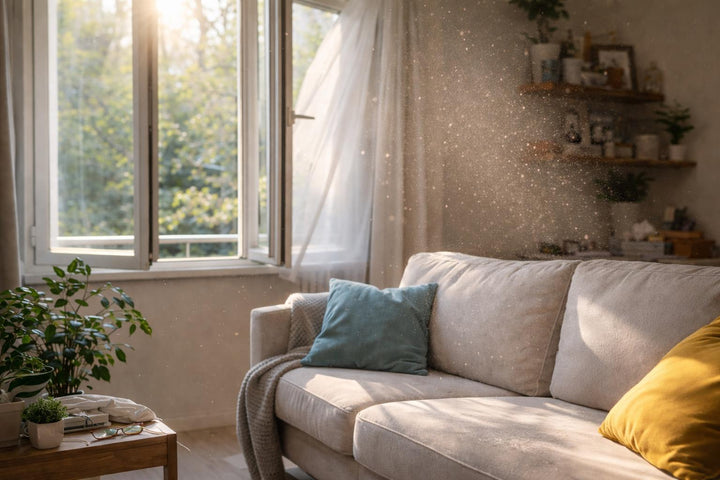
If it feels like you clean your room only to see dust again the next day, you are not imagining it. This is one of the most searched indoor air questions right now on Google, and it is increasing as more people spend time at home.

The short answer is simple. Dust is constantly being created inside your home. Cleaning only removes what has already settled. It does not stop new dust from forming or circulating.

The more useful answer is understanding where that dust actually comes from and how to reduce it at the source.

What Is Dust Made Of?

Most people assume dust comes from outside. In reality, the majority is generated indoors.

Typical household dust includes:

  • Dead skin cells
  • Fabric fibers from clothing and bedding
  • Pet dander
  • Hair
  • Dirt tracked in from outside
  • Microscopic particles from cooking and smoke

Your body alone sheds millions of skin cells every day. That becomes fuel for dust buildup, especially in bedrooms.

The 6 Main Reasons Your Room Gets Dusty So Fast

1. Poor Air Circulation

When air does not move properly, dust settles faster. Rooms with closed doors, limited airflow, or blocked vents tend to accumulate dust more quickly.

If your room feels stuffy, dust is likely settling instead of being carried away and filtered.

2. Dirty or Inefficient Air Filters

Your HVAC system or air purifier is supposed to trap dust. If filters are clogged or low quality, they stop working effectively.

A dirty filter can actually release dust back into the room instead of capturing it.

3. Bedding and Fabrics

Beds are one of the biggest dust sources in any room. Sheets, pillows, and blankets shed fibers and trap skin cells.

Every time you move in bed, you release particles into the air.

4. Pets

Pet hair and dander significantly increase dust levels. Even if you groom your pet regularly, microscopic particles still spread throughout the room. This is why homes with pets often feel dustier faster.

5. Open Windows and Outdoor Air

Fresh air is good, but it also brings in pollen, pollution, and dirt. During certain seasons, especially spring, outdoor air can dramatically increase indoor dust levels.

6. Carpets and Soft Surfaces

Carpets act like dust reservoirs. They trap particles and release them back into the air when you walk on them.

The same applies to curtains, rugs, and upholstered furniture.

Why Dust Is More Than Just Annoying

Dust is not only a cleaning problem. It directly affects health and comfort.

High dust levels can:

  • Trigger allergies
  • Worsen asthma
  • Cause sneezing and congestion
  • Impact sleep quality
  • Reduce overall air quality

Many people searching for “dusty room causes” are actually experiencing symptoms without realizing the connection.

How to Actually Reduce Dust Long Term

Cleaning helps, but it is not enough on its own. You need to reduce how much dust is created and how it moves through your space.

1. Upgrade Air Filtration

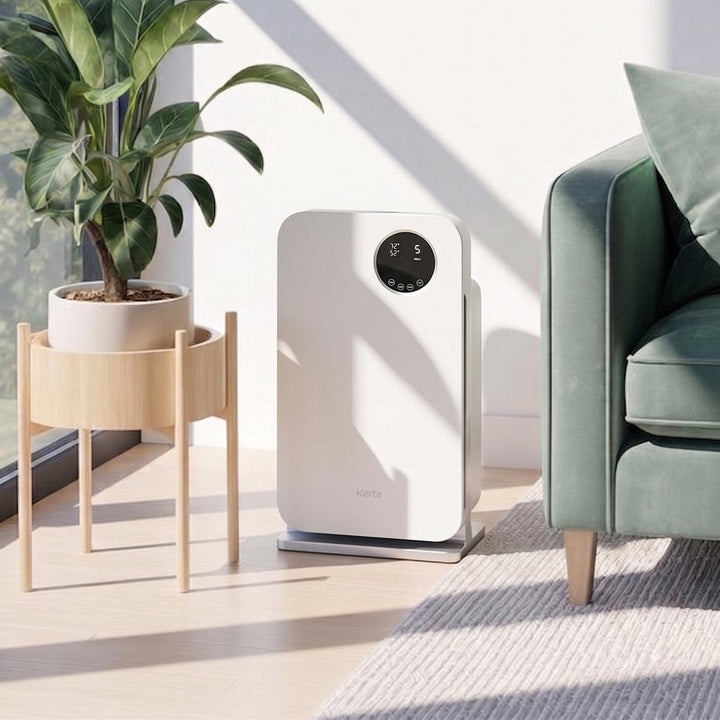
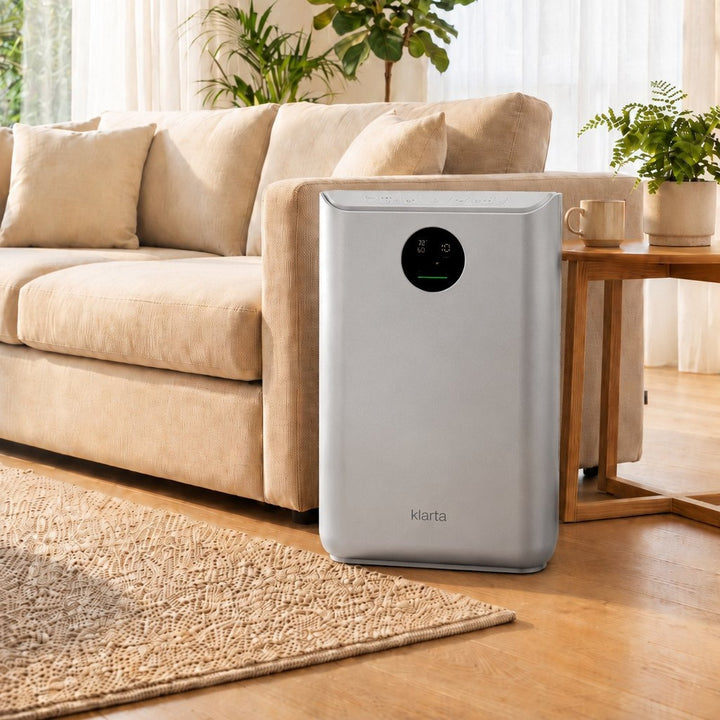
A high-quality air purifier with a true HEPA filter captures fine dust particles before they settle.

This is one of the most effective long-term solutions because it removes dust continuously, not just during cleaning.

2. Wash Bedding Weekly

Use hot water to remove skin cells and dust mites. This reduces one of the biggest sources of dust in your room.

3. Replace or Clean Filters Regularly

Check your air purifier or HVAC filters monthly. Replace them as recommended.

A clean filter can dramatically reduce airborne dust.

4. Vacuum Smarter

Use a vacuum with a HEPA filter. Regular vacuums can push dust back into the air.

Focus on carpets, rugs, and under furniture where dust accumulates.

5. Reduce Clutter

More objects mean more surfaces for dust to settle on. Keeping your space minimal makes a noticeable difference.

6. Control Humidity

Dust mites thrive in humid environments. Keeping humidity between 40 and 50 percent can reduce their presence.

The Most Overlooked Fix

Most people focus only on surfaces. The real issue is airborne dust.

If you solve the air, you reduce what lands on surfaces in the first place.

This is why air purification has become a fast-growing category. It addresses the root cause instead of the symptom.

Final Thoughts

If your room gets dusty every day, it is not because you are cleaning wrong. It is because dust is constantly being created and circulated.

The key is shifting from reactive cleaning to proactive control.

Start with airflow and filtration. Then support it with better cleaning habits.

That combination will give you something most people never achieve, a room that actually stays clean longer.

Do Air Purifiers Actually Help With Allergies? What the Data Really Shows

If you have ever searched “do air purifiers help allergies,” you are not alone. This is one of the highest intent queries in the indoor air space right now on Google.

The reason is simple. Allergy symptoms are getting worse for many people, especially indoors.

So the real question is not just whether air purifiers work. It is whether they work enough to justify the cost.

Let’s break it down clearly.

What Causes Indoor Allergies?

Most indoor allergy symptoms are triggered by airborne particles. The most common include:

  • Dust mites
  • Pet dander
  • Pollen that enters from outside
  • Mold spores

These particles are small enough to stay suspended in the air, which means you breathe them in continuously.

How Air Purifiers Are Supposed to Work

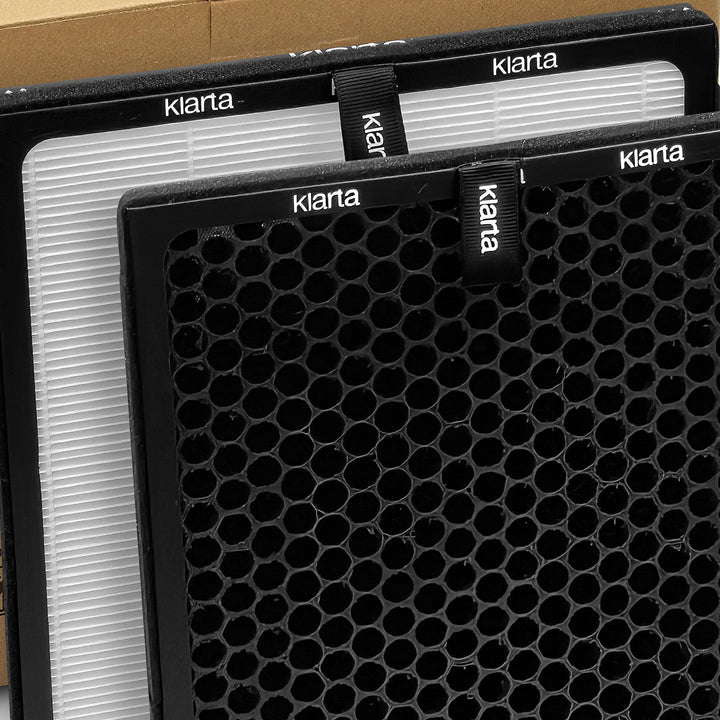
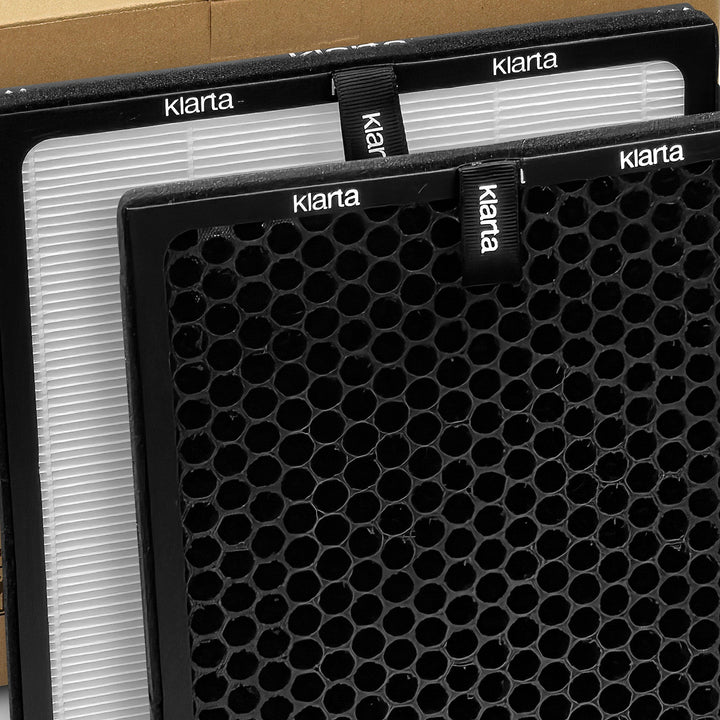
Air purifiers pull in air, pass it through filters, and release cleaner air back into the room. The key component is the HEPA filter. A true HEPA filter can capture 99.97% of particles as small as 0.3 microns. This includes most common allergens.https://images.openai.com/static-rsc-4/Z9FMxHpDJPL1yjNy1PzYPx7okJkJG7kfPmp1IRZXPRuKGvGA9b8Omo9_h4F3p5-C9NqyTmeqeMkDnCs9ZDKCZynz_k3dyN8l626Ohajtjv9kxCkdiPEDuG5AKsigu2Oit7EhF73VTeFjB5CbC5ivy6dXursA-sDQa1FWZgV7pQsDUv7maZLGsaUm6nFzs5_J?purpose=fullsize

Do They Actually Reduce Allergy Symptoms?

Short answer, yes, but only under the right conditions.Studies and real-world use show that air purifiers can reduce airborne allergens significantly. This often leads to fewer symptoms such as sneezing, congestion, and itchy eyes. However, effectiveness depends on several factors.

What Determines Whether an Air Purifier Works

1. Filter Quality

Not all filters are equal. HEPA-grade filtration is essential. Lower-quality filters may miss the smallest particles that cause the most irritation. That's why we ensured our Klarta purifiers meet the highest quality standards.

2. Room Size Coverage

If the purifier is too small for the room, it will not clean the air effectively. You need a unit that matches or exceeds your room size.

3. Placement

Air purifiers work best when placed where you spend the most time, such as near your bed. Poor placement reduces airflow efficiency.

4. Continuous Use

Running the purifier only occasionally will not provide consistent relief. Allergens are constantly entering and being generated in your space.

What Air Purifiers Do Not Do

It is important to stay realistic.

Air purifiers:

  • Do not remove dust already settled on surfaces
  • Do not eliminate all allergens instantly
  • Do not replace cleaning completely

They are part of a system, not a standalone solution.

Where They Make the Biggest Difference

Air purifiers are most effective in bedrooms. You spend around one third of your life sleeping. During that time, you are continuously breathing the air in that room. Cleaner air at night often leads to noticeable improvements in symptoms.

Real Benefits People Notice

Users who use air purifiers correctly often report:

  • Fewer allergy flare-ups
  • Better sleep quality
  • Reduced congestion in the morning
  • Less dust accumulation over time

These are practical outcomes that go beyond lab results.

The Hidden Advantage Most People Miss

Air purifiers do something that cleaning cannot. They remove particles before they settle. This reduces the overall load of allergens in your environment, which compounds over time.

How to Maximize Results

If your goal is to reduce allergies, follow this setup:

  1. Use a true HEPA air purifier
  2. Run it continuously, especially at night
  3. Keep doors and windows controlled during high pollen periods
  4. Wash bedding regularly
  5. Replace filters on schedule

This combination delivers the best results.

Is It Worth It?

For people with mild to moderate allergies, the answer is often yes. The improvement in daily comfort and sleep quality can be significant. From a cost perspective, it is also relatively low compared to ongoing medication or other interventions.

 
Example
Example
Example
(0 )
Example
View detail
Example
Example
Option1
Option2
Option3
Option1
Option2
Option3
Sold out
Quantity
Add To Cart
Buy Now
Compare
Add Wishlist
Share:
Guaranteed safe & secure checkout
0
0