Is Indoor Air More Polluted Than Outdoor Air? What Most People Get Wrong


When people think about air pollution, they picture traffic, factories, and wildfire smoke hanging over cities. It feels intuitive to assume that stepping indoors protects you from all of that.
But here’s the surprising truth: in many cases, the air inside your home is actually more polluted than the air outside.
That’s not a marketing claim. It’s something backed by environmental research and increasingly recognized as a real issue in modern homes.

Why Indoor Air Gets So Polluted
The biggest reason comes down to one word: accumulation.
Outdoor air constantly moves and disperses pollutants. Indoor air does not. Once particles enter your home, they tend to stay there unless something actively removes them.
Now think about everything happening inside your space every day.
Cooking releases fine particles and oils into the air. Cleaning products introduce chemicals that linger long after you finish. Pets shed dander and hair. Dust builds up in soft surfaces like rugs, couches, and bedding.
Even small habits contribute. Burning candles, using hair products, spraying perfume, or simply walking through the house stirs particles into the air.
Over time, all of that builds into a concentrated environment that you breathe continuously.
How Outdoor Pollution Makes Its Way Inside
Even if your home feels sealed, it isn’t.
Outdoor pollutants enter through:
-
Windows and doors
-
HVAC systems
-
Gaps in insulation
-
Everyday foot traffic
During wildfire season or high pollution days, this becomes even more noticeable. You might close your windows, but the smell of smoke still finds its way inside.
That is because microscopic particles are incredibly good at traveling.
Once they are in your home, they do not just disappear.
 The Health Impact of Indoor Air Pollution
Most people underestimate how much indoor air affects their health because the effects are often subtle.
You might notice:
-
Dry throat in the morning
-
Mild congestion
-
Headaches that come and go
-
Feeling tired indoors
Over time, poor air quality has been linked to more serious concerns like respiratory irritation and long-term inflammation.
The tricky part is that you adapt to your environment. What feels “normal” might not actually be clean air.
Why Opening a Window Isn’t Enough
A common assumption is that fresh air solves the problem.
Sometimes it helps. But not always.
If outdoor air quality is poor, opening a window can actually make things worse. This is especially true in states like California, Colorado, and New York during wildfire events or urban pollution spikes.
Even on good air days, ventilation alone does not remove all indoor contaminants. It simply dilutes them.
To actually improve air quality, you need to remove particles from the air.
What Actually Improves Indoor Air Quality
There are a few foundational steps:
-
Reducing clutter to limit dust buildup
-
Cleaning surfaces regularly
-
Managing humidity levels
But one of the most effective solutions is air filtration.
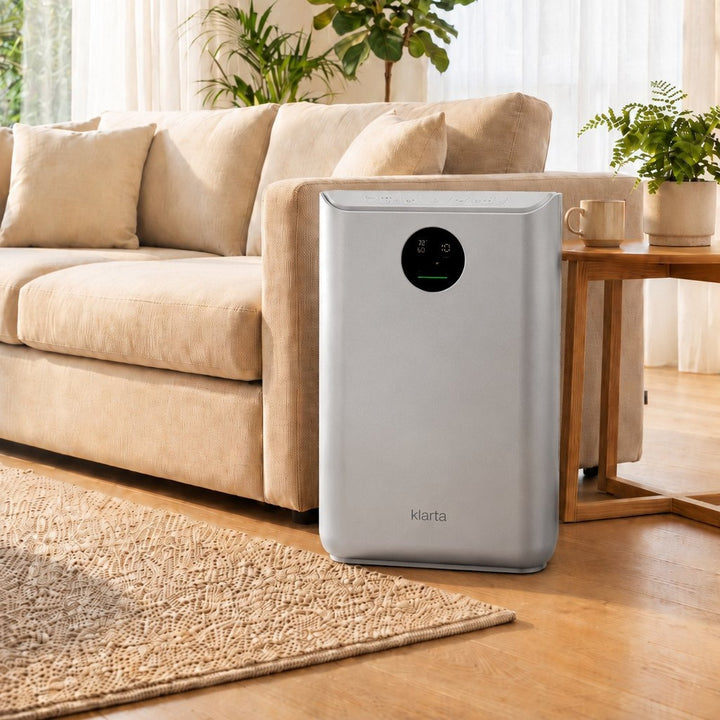
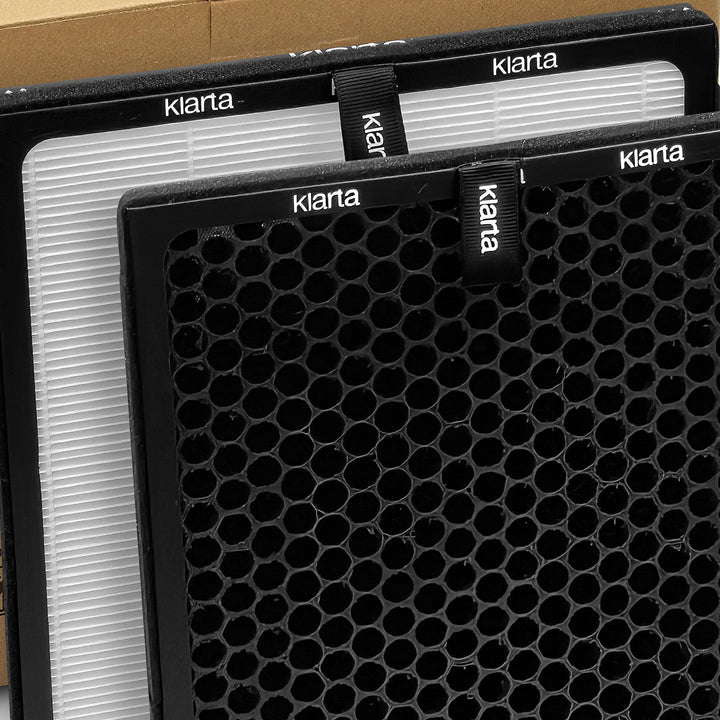
A high-quality air purifier continuously pulls in air, captures harmful particles, and releases cleaner air back into the room.
That process happens all day, not just when you remember to open a window.

Why More Homes Are Investing in Air Purification
Air quality is becoming part of how people think about their homes, similar to lighting or temperature.
It affects:
-
How your space feels
-
How well you sleep
-
How comfortable guests are
Once people experience the difference of cleaner air, it becomes hard to go back.
If you are looking to improve your indoor environment, you can explore options through the Klarta store and find a system that fits your space and lifestyle.
Final Thoughts
Indoor air pollution is easy to overlook because it is invisible.
But once you understand how particles build up and affect your daily life, it becomes clear that clean air is not automatic.
It is something you create intentionally.
And in today’s world, that matters more than ever.

Share:
Read also

Buying guides
Do You Really Need an Air Purifier? 7 Signs Your Home Air Quality Is Poor

Indoor air quality
How to Improve Air Quality in Your Home - 10 Easy Tips from Klarta

Indoor air quality
Impact of air pollution on human health - Klarta



Comments