Air Purifier vs. Humidifier: Which One Do You Actually Need?

Air purifiers and humidifiers are often grouped together in the home-air aisle, so it is easy to assume they do roughly the same job. They do not.
An air purifier removes certain pollutants from the air. A humidifier adds moisture to the air. One is designed for particles and, depending on its filters, certain gases and odors. The other is designed to address dryness.
If your home feels dusty, smoky or full of pet dander, adding humidity will not solve the core problem. If your nose and skin feel dry every winter, filtering the air will not add the moisture you are missing.
The right choice comes down to the problem you are trying to fix. Some homes need an air purifier, some need a humidifier and many benefit from both.
What does an air purifier do?
An air purifier pulls room air into the unit, passes it through one or more filters and releases filtered air back into the room. The exact pollutants it can capture depend on the filtration system.
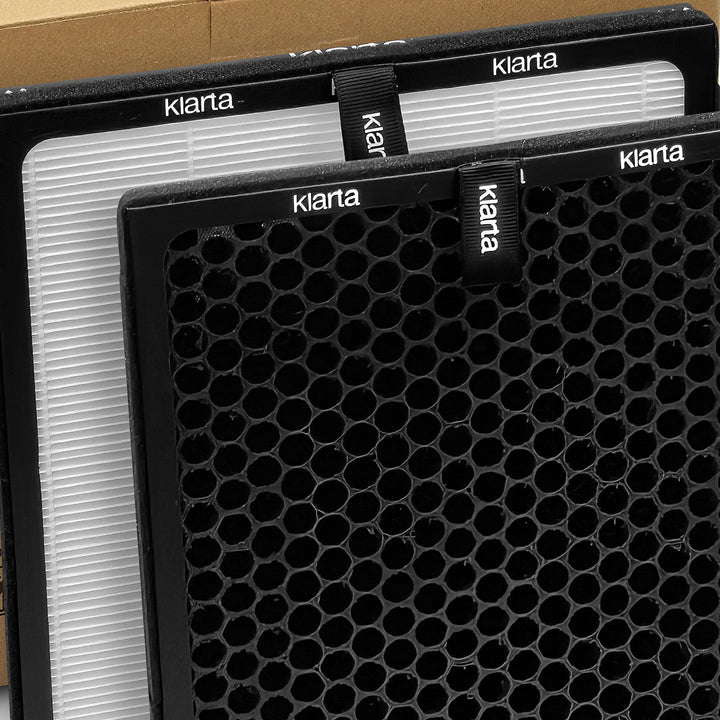
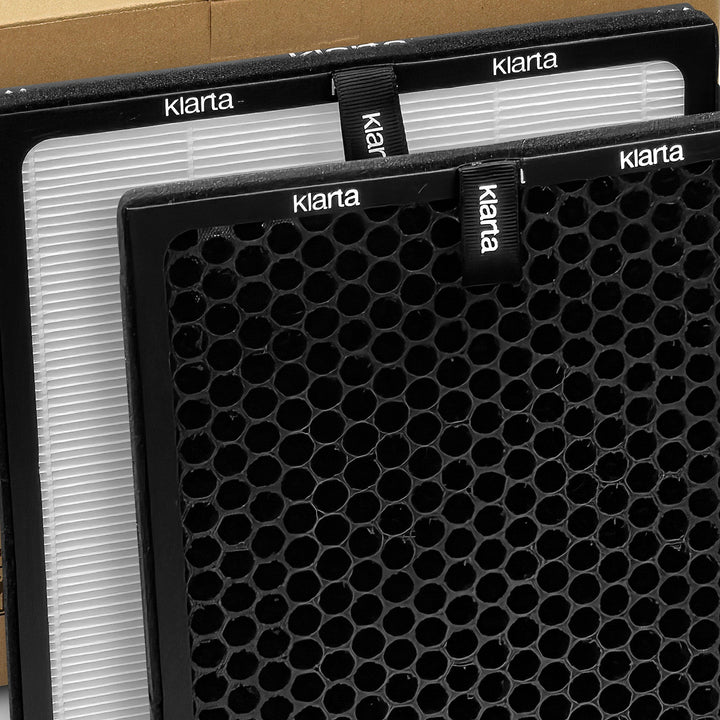
A well-designed purifier commonly includes:
- A pre-filter for larger debris such as hair, lint and visible dust
- A fine particle filter for small airborne particles such as pollen, fine dust, smoke particles, mold spores and pet dander
- An activated carbon filter for certain gases and household odors
The U.S. Environmental Protection Agency explains that portable air cleaners can help reduce indoor air pollution, but they do not remove every pollutant and should supplement source control and ventilation.
In plain language, an air purifier can clean the air that passes through it, but you still need to remove pollution sources, clean surfaces and ventilate when the outdoor air is clean. You can read the EPA’s full Guide to Air Cleaners in the Home.
 Air purifiers are most useful when your concern involves something suspended in the air. That can include seasonal pollen, wildfire smoke, dust, pet dander or particles created during cooking.
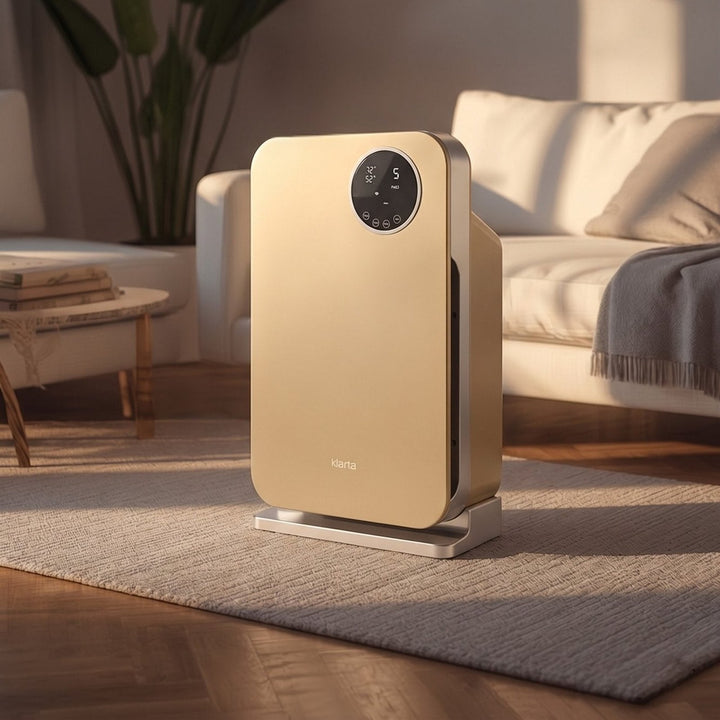
For bedrooms, home offices and other small to medium spaces, the Klarta Forste Smart Air Purifier combines a fine particle filter, activated carbon filtration, smart controls and a compact design.
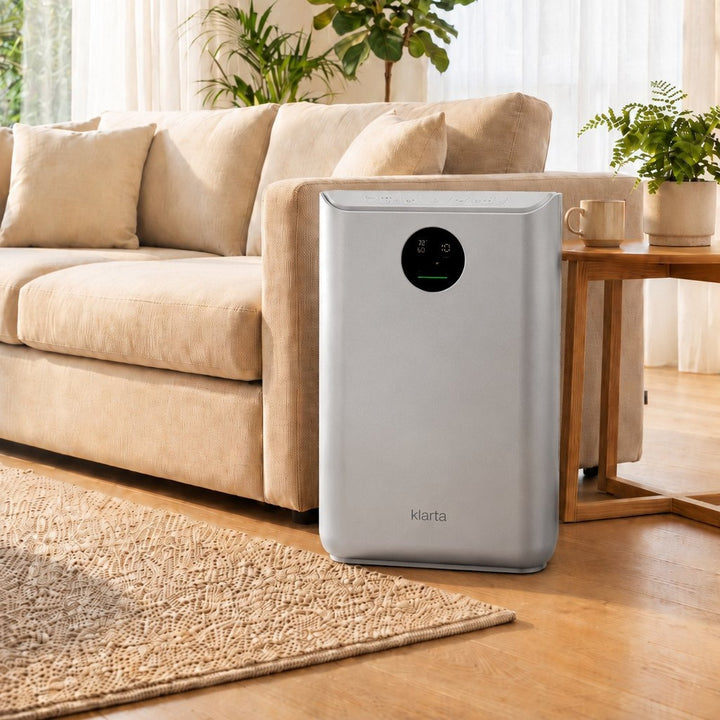
For larger living areas and open layouts, the Klarta Stor Smart Air Purifier provides higher airflow, with a CADR of up to 600 m³/h, plus built-in PM2.5, temperature and humidity sensing.
What does a humidifier do?
A humidifier increases the amount of moisture in indoor air. It does not filter dust, pollen, smoke or pet dander. Its purpose is to make dry air less dry.
Low humidity is especially common during winter, in high-altitude climates and in homes where heating runs frequently. Dry indoor air can contribute to uncomfortable symptoms such as dry skin, a scratchy throat, irritated nasal passages, static electricity and cracking in certain wood furnishings.
The EPA generally recommends keeping indoor relative humidity between 30 and 50 percent. More is not always better. Excess humidity can encourage condensation and create conditions that support mold and dust mites.
A humidifier should help you reach a comfortable range, not turn the room into a greenhouse.

Humidifiers also use different methods to add moisture. Ultrasonic units create a visible mist by vibrating water into tiny droplets. Evaporative humidifiers use a fan to move air through a wet wick or filter, releasing moisture as water naturally evaporates.
The EPA notes that evaporative humidifiers are not expected to disperse substantial amounts of minerals into the air.
The Klarta Humea Smart Evaporative Humidifier uses evaporative technology, automatic humidity control and Wi-Fi connectivity. It can deliver up to 300 ml of moisture per hour while avoiding the visible mist and mineral residue commonly associated with some ultrasonic humidifiers.
Air purifier vs. humidifier: the simplest comparison
| If your main concern is... | Better starting point |
|---|---|
| Pollen, dust or pet dander | Air purifier |
| Wildfire smoke or fine particles | Air purifier |
| Certain cooking or pet odors | Air purifier with activated carbon |
| Dry skin, throat or nasal passages | Humidifier |
| Static electricity and very dry indoor air | Humidifier |
| Allergens plus dry winter air | Air purifier and humidifier |
| Unsure whether the room is dry | Check relative humidity first |
This is a starting point, not a medical diagnosis. Persistent respiratory symptoms should be discussed with a qualified healthcare professional.
Is an air purifier or humidifier better for allergies?
If airborne allergens are the problem, start with an air purifier. A fine particle filter is designed to capture small particles, including many common allergens. A humidifier does not remove allergens from the air.
Humidity can still affect comfort. Very dry air may irritate your nose and throat, making an already uncomfortable allergy season feel worse. On the other hand, humidity that stays too high can support dust mites and mold.
That is why blindly running a humidifier is not a reliable allergy strategy.
Use a humidity sensor or hygrometer to see what is actually happening in the room. If the air is already between roughly 30 and 50 percent relative humidity, adding more moisture may not help.
If it is consistently below that range, carefully controlled humidification may improve comfort while the air purifier addresses airborne particles.
Which one is better for a bedroom?
Bedrooms often need both particle control and moisture control, but not necessarily at the same time.
Choose an air purifier first if you wake up sneezing, share the room with a pet, live near a busy road or notice dust returning quickly. Look for a purifier that is correctly sized, quiet enough to run while you sleep and easy to operate consistently.
The Forste is particularly well suited to bedrooms because it combines compact dimensions with quiet operation and automatic controls.
Choose a humidifier if a humidity reading confirms that the room is dry and you regularly wake up with dry skin, a dry throat or irritated nasal passages. Automatic humidity control is useful because it reduces the temptation to keep adding moisture after the room has reached a comfortable level.
Whichever device you choose, avoid pushing it into a tight corner or hiding it behind furniture. Air needs room to move into and out of the appliance.
Keep a humidifier away from materials that could be damaged by repeated moisture exposure, and follow the manufacturer’s cleaning instructions.
What about pets?
For homes with pets, an air purifier usually provides the more direct benefit. The issue is not only visible hair.
Pet dander consists of lightweight skin particles that can stay airborne and travel beyond the room where the pet spends most of its time. A fine particle filter can capture airborne dander as room air circulates through the purifier.
An activated carbon layer may also help with certain pet-related odors. It will not clean a litter box, wash a pet bed or replace regular vacuuming, but it can be one useful part of a broader cleaning routine.
A humidifier can still be helpful if the home is genuinely dry, particularly during winter. However, do not run one simply because you have pets. Measure the humidity and clean the unit regularly. Standing water and neglected filters are not good additions to any pet-friendly home.

Can you run an air purifier and humidifier together?
Yes. An air purifier and humidifier can operate in the same room because they do different jobs. The key is thoughtful placement and maintenance.
Do not place the humidifier where moisture will be pulled directly into the purifier’s intake. Give both devices open space, and position them several feet apart when the room allows.
Monitor the relative humidity so it stays in a sensible range. Clean the humidifier on schedule and replace the purifier filters according to the product instructions.
Using both can be especially useful in dry climates, during heated winter months or in a bedroom where you are dealing with airborne allergens and low humidity at the same time.
Klarta also offers a Total Air Comfort Bundle for homes that need filtration and balanced humidity together.
How to choose the right size
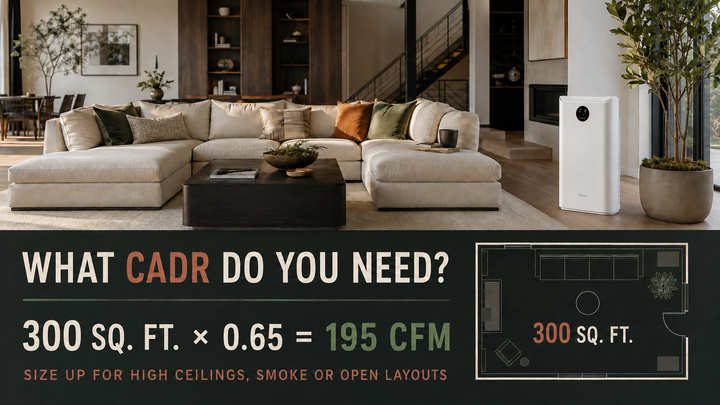
For an air purifier, do not rely only on the largest square-foot number printed on a product page. Look at CADR, room dimensions, ceiling height and how often you want the room’s air filtered.
A purifier may technically process the air in a large room once per hour but be much more effective in a smaller room where it can provide several air changes.
Klarta’s room-size and CADR guide explains how to make that calculation without getting buried in technical language.
Once you know your room size, compare our home air purifiers by airflow, coverage and noise level.
For a humidifier, compare the unit’s moisture output with the room size and starting humidity. A very dry, open space usually requires more output than a closed bedroom. Automatic humidity sensing is valuable because the room’s needs change throughout the day.
The bottom line
Choose an air purifier when you want to reduce airborne particles such as dust, pollen, smoke and pet dander. Choose a humidifier when the air is genuinely too dry.
If your home has both problems, you do not have to choose one or the other. You can use both, provided they are correctly sized, properly placed and consistently maintained.
For smaller rooms, bedrooms and home offices, explore the Klarta Forste Smart Air Purifier.
For larger living spaces, compare the Klarta Stor Smart Air Purifier.
If dry air is the problem, learn more about the Klarta Humea Smart Evaporative Humidifier.
The goal is not to collect more appliances. It is to identify the actual air-quality problem and use the right tool to solve it.
Frequently asked questions
Does a humidifier clean the air?
No. A humidifier adds moisture but does not remove dust, pollen, smoke or pet dander. For airborne particles, use a properly sized air purifier with effective particle filtration.
Does an air purifier make the air dry?
No. A standard air purifier circulates and filters air but does not remove moisture the way a dehumidifier does. Indoor air may feel dry while the purifier is running because of the season or heating system, not because the purifier is extracting water.
Can a humidifier make allergies worse?
It can if it raises humidity too far or is not cleaned properly. Excess moisture can support mold and dust mites. Monitor relative humidity and follow the manufacturer’s cleaning schedule.
Should I put an air purifier or humidifier next to my bed?
Both need unobstructed airflow, but neither should blow directly into your face. Keep the purifier’s intake and outlet clear. Place the humidifier where repeated moisture will not affect bedding, walls, furniture or electronics.
Do I need both devices in every room?
Usually not. Start with the rooms where you spend the most time and where measurements or symptoms point to a specific problem. A bedroom may need a compact purifier, while a large connected living space may require a higher-airflow model.

Comments