Do Air Purifiers Remove Odors? Cooking, Pets and Smoke
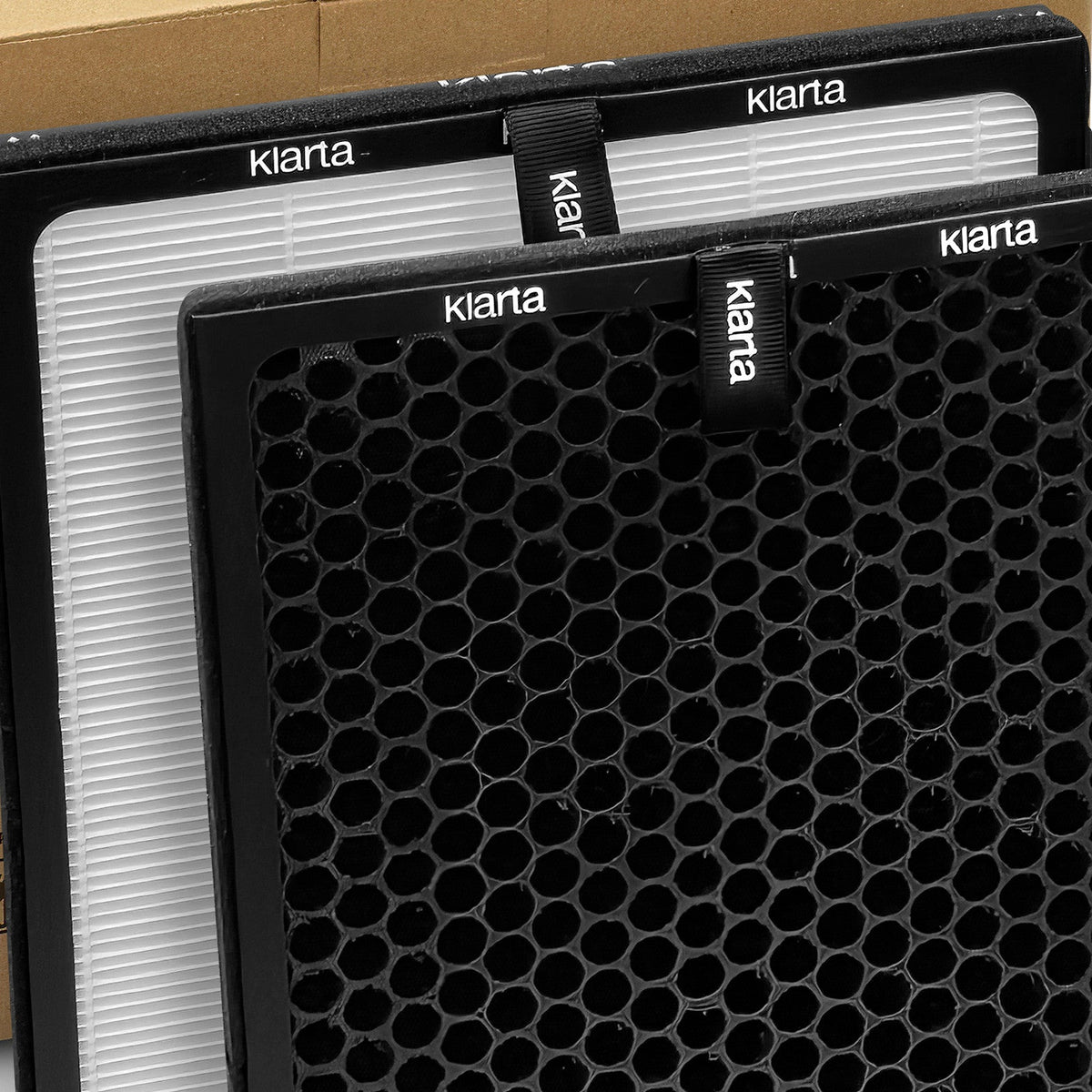
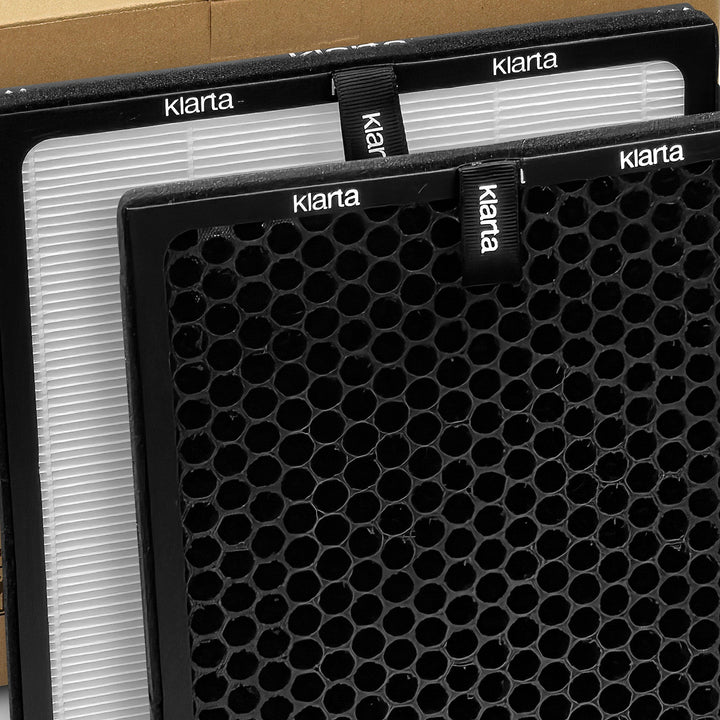
Air purifiers can help reduce some odors when they contain suitable gas-filter media, such as activated carbon. A HEPA filter alone captures particles, not odor-causing gases. The result depends on the source, the substances involved and the filter's capacity. No purifier guarantees that every smell will disappear.
Before choosing a device, identify what is producing the smell. Cleaning a pet bed, removing food waste or using appropriate kitchen exhaust may address the source more directly than adding filtration.
HEPA and activated carbon do different jobs
Think of a filter specification as a description of a job. HEPA is for airborne particles. Activated carbon and other sorbent media target certain gases. The EPA's air-cleaner guide explains that gas removal depends in part on having sufficient media, and that particle CADR does not rate odor removal.
This matters when comparing products: a large airflow figure is useful for particle filtration, but it is not evidence that an appliance will remove a particular kitchen or pet smell. Look for information about the gas filter itself and any relevant testing.
Which household smells can filtration help with?
| Smell | First action | Role of a purifier |
|---|---|---|
| Cooking | Use suitable exhaust and clean cooled cooking residue | Supplement particle control; carbon may help with some gases |
| Pet bedding or litter area | Clean the source and care for affected textiles | Supplement air cleaning; cannot clean the bed or litter box |
| Smoke after the source is gone | Clean affected surfaces and fabrics | Filter airborne particles and, with suitable media, some odor gases |
| Musty room | Find and resolve moisture or mold | Cannot repair the moisture problem |
Cooking smells: start at the stove
Keep the purifier away from heat, splashes and grease. It belongs in a safe position with clear airflow, not on the countertop beside a burner. Use the kitchen's appropriate exhaust system while cooking and clean food spills and cooled grease deposits.
After dinner, notice whether the smell comes from the air, the trash or an item left out. That simple distinction helps you choose the next action. An open-plan kitchen also means more connected space to consider when sizing a purifier.
Pet odors: separate smell from allergens
A home can have pet allergens without a noticeable pet smell, and a strong odor does not quantify allergens. Cleaning bedding and accident areas addresses odor sources; particle filtration serves a different purpose. Our cat and dog purifier guide explains dander, hair and allergy-related limits.
Place the device away from water bowls and litter scatter, with a protected cord route. Do not add perfume or essential oils to its filters. If an unusual smell comes from your pet rather than the room, seek appropriate veterinary advice instead of covering it up.
Smoke smells: particles, gases and residue
Smoke involves more than odor. If you suspect a fire or see unexplained haze, leave and call 911 from outside. A purifier cannot make a dangerous room safe. For confirmed outdoor wildfire smoke, follow local instructions and our wildfire filtration guide.
After a smoke event, fabrics and surfaces can need separate cleaning. Follow the smoke smell cleanup guide rather than expecting carbon filtration to remove deposits.
Why does the smell remain when the purifier says the air is clean?
A PM2.5 display is a particle measurement, not a comprehensive odor or gas measurement. A low value does not establish that odor gases are absent. Check the source and filter condition rather than assuming automatic mode will respond to every smell.
What to check before buying for odors
- Which filter is intended for gases, and what evidence is available for the specific claim?
- How is the carbon filter maintained and replaced?
- Is particle CADR suitable for the room as well?
- Can you run a useful fan setting without unacceptable noise?
- Have the source, cleaning and ventilation needs been addressed?
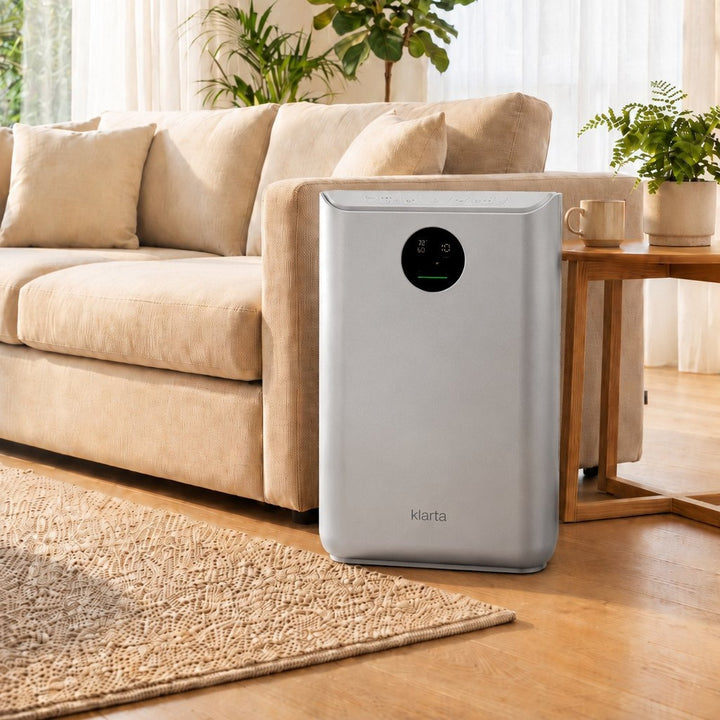
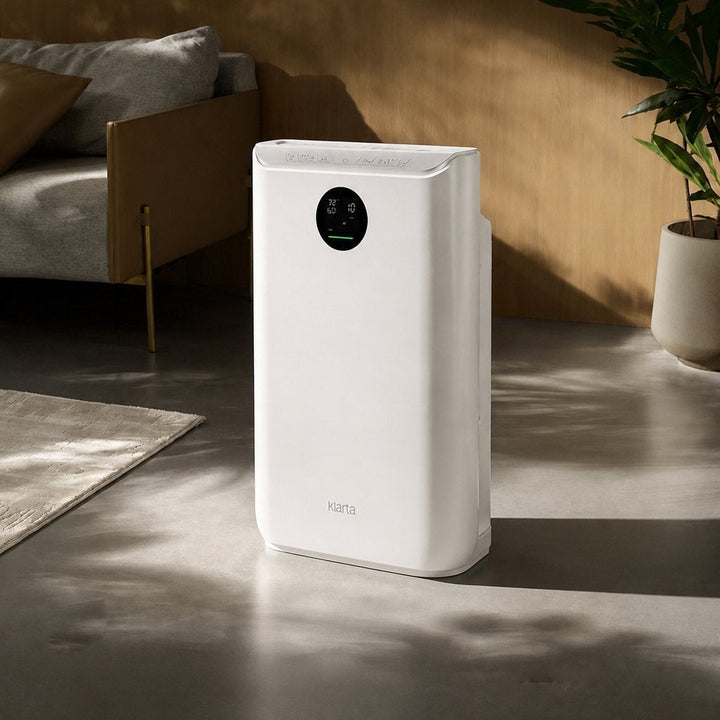
Klarta Forste and Stor in the USA combine particle and carbon filtration and do not have ionization. Compare current models and follow the US manuals for care. Carbon is a supplement with limits, not a promise to remove every odor or hazardous gas.

Comments