Why Denver Air Feels So Dry — And How to Fix It

If you've ever moved to Denver and suddenly found yourself reaching for lotion multiple times a day, waking up with a dry throat, or getting shocked by every doorknob in your house, you're not imagining things. Denver is one of the driest major cities in the United States, and the effects can be felt throughout your home and your body.
From dry skin and irritated sinuses to cracked hardwood floors and poor sleep, Denver's climate presents unique challenges that many residents experience daily. The good news? Understanding why Denver feels so dry is the first step toward creating a healthier and more comfortable home.

Why Is Denver So Dry?
Denver's dry air is the result of several environmental factors working together.
High Elevation
Denver sits approximately 5,280 feet above sea level, earning its nickname as the Mile High City. At higher elevations, air pressure is lower, which means the atmosphere holds less moisture than at sea level.
Even on days when temperatures feel comfortable, the air often contains significantly less moisture than residents in other parts of the country are accustomed to.
Semi-Arid Climate
Colorado's Front Range is classified as a semi-arid climate. Unlike coastal regions or the southeastern United States, Denver receives relatively little annual precipitation and experiences low humidity throughout much of the year.
Humidity levels commonly drop below 30%, especially during winter months.
Abundant Sunshine
Denver averages over 300 days of sunshine annually. While that sunshine is one of the city's biggest selling points, it also contributes to moisture evaporation. Dry air combined with intense sunshine can quickly reduce humidity levels both outdoors and indoors.
Winter Heating Systems
The problem becomes even more noticeable during winter.
As outdoor temperatures drop, furnaces and heating systems warm indoor air. Unfortunately, heated air holds more moisture, which can cause indoor relative humidity to plummet into the teens or low twenties.
Many Denver homes operate well below the recommended indoor humidity range for months at a time.
Signs Your Home Is Too Dry
Many people don't realize their home's air is excessively dry until symptoms start appearing.
Common signs include:
- Dry skin and chapped lips
- Frequent nosebleeds
- Dry or irritated eyes
- Static electricity shocks
- Scratchy throat
- Increased snoring
- Congestion upon waking
- Cracked wood furniture
- Shrinking hardwood floors
- Houseplants struggling to thrive
If several of these symptoms sound familiar, your indoor humidity may be lower than recommended.

How Dry Air Affects Your Health
While dry air is often viewed as a comfort issue, it can have a meaningful impact on overall wellness.
Dry Skin
Low humidity causes moisture to evaporate from the skin more quickly. This can lead to itching, flaking, irritation, and worsening symptoms for individuals with eczema or other skin sensitivities.
Sinus Irritation
The nasal passages rely on moisture to function properly. Dry air can irritate the lining of the nose and throat, making residents more susceptible to discomfort and congestion.
Poor Sleep Quality
Many people notice they wake up thirsty, congested, or with a sore throat during Denver's dry months. Dry air can contribute to snoring and nighttime discomfort, reducing sleep quality.
Increased Respiratory Irritation
When the air is extremely dry, the body's natural defenses against airborne irritants may not function as effectively. Maintaining proper humidity helps support overall respiratory comfort.
How Dry Air Affects Your Home
The effects of low humidity extend beyond personal comfort.
Wood naturally expands and contracts as humidity levels change. Prolonged exposure to very dry conditions can cause:
- Hardwood floor gaps
- Cracked furniture
- Warped musical instruments
- Damaged cabinetry
- Dry houseplants
For many Denver homeowners, maintaining proper humidity is just as important for protecting their home as it is for personal health.
What Is the Ideal Indoor Humidity Level?
Experts generally recommend maintaining indoor relative humidity between 30% and 50%.
30%≤Indoor Humidity≤50%30\% \leq \text{Indoor Humidity} \leq 50\%30%≤Indoor Humidity≤50%
Below 30%, many people begin experiencing symptoms associated with dry air.
Above 50%, the risk of mold growth and excess moisture can increase.
The sweet spot for most Denver homes falls between 35% and 45%, especially during winter.
How to Measure Humidity in Your Home
The easiest way to monitor indoor humidity is with a digital hygrometer.
These inexpensive devices provide real-time humidity readings and can help you determine whether your home is too dry or too humid.
Many smart humidifiers also include built-in humidity sensors that automatically adjust output based on current conditions.

How to Fix Dry Air in Denver
Use an Evaporative Humidifier
One of the most effective ways to increase indoor humidity is by using an evaporative humidifier.
Unlike ultrasonic models that disperse minerals directly into the air, evaporative humidifiers use natural evaporation to add moisture. This process helps maintain healthy humidity levels while minimizing issues like white dust.
For Denver homeowners, evaporative humidifiers can provide consistent moisture throughout bedrooms, living spaces, and home offices.
Check out the Klarta Humea on Amazon to snag it on sale.
Run a Humidifier While Sleeping
Because many symptoms of dry air are most noticeable overnight, placing a humidifier in the bedroom can make a significant difference.
Many residents notice improvements in:
- Morning congestion
- Dry throat
- Sleep quality
- Skin hydration
Add Moisture Naturally
Other ways to increase humidity include:
- Keeping houseplants
- Air-drying laundry indoors
- Using the bathroom fan less aggressively after showers
- Cooking with covered pots
While these methods can help slightly, they generally aren't enough to address Denver's dry climate on their own.
Monitor Your HVAC System
Whole-home HVAC systems can dramatically reduce indoor humidity levels during winter.
Changing filters regularly and monitoring humidity throughout your home can help improve overall comfort and air quality.

Why Denver Residents Should Care About Indoor Air Quality
Humidity is only one part of the indoor air quality equation.
Denver residents also deal with:
- Seasonal allergens
- Wildfire smoke
- Dust
- Pet dander
- Urban pollution
That's why many homeowners pair a humidifier with an air purifier.
While humidifiers add moisture to the air, air purifiers help remove airborne particles that can impact comfort and respiratory health.
Creating a Healthier Indoor Environment
For many Denver households, the ideal indoor air setup includes both proper humidity and effective air filtration.
Klarta's collection of air quality solutions is designed to help create healthier indoor environments year-round.
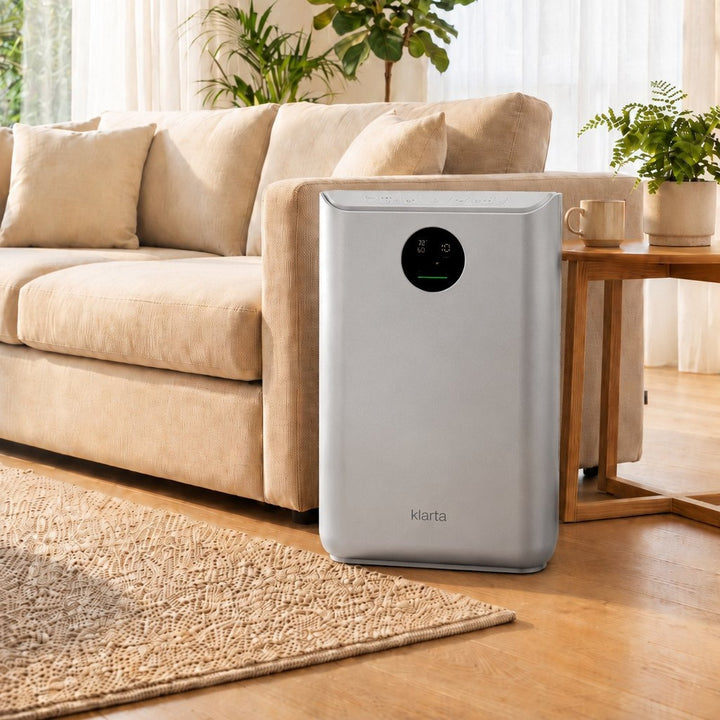
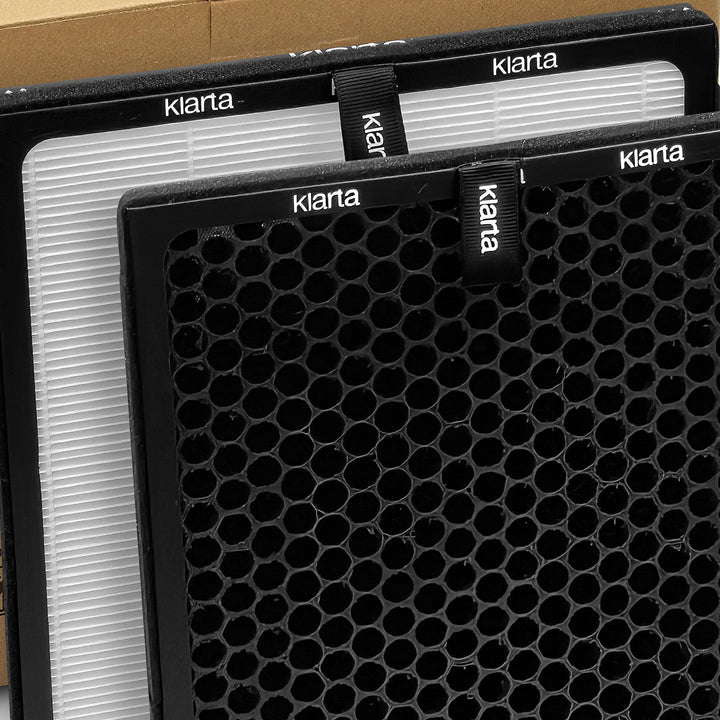
For homes struggling with dry winter air, an evaporative humidifier can help maintain comfortable humidity levels naturally. For residents dealing with allergens, smoke, dust, or everyday pollutants, air purifiers like the Forste Smart Air Purifier provide multi-stage filtration designed to capture airborne particles in the room where they run.
Together, these solutions can help create a more comfortable, balanced indoor environment no matter what Colorado's weather brings.
Final Thoughts
Denver's climate is one of the reasons so many people love living here. The sunshine, mountain views, and four-season lifestyle are hard to beat. However, those same conditions also create some of the driest indoor environments in the country.
If you're constantly dealing with dry skin, congestion, static electricity, or discomfort at home, low humidity may be the culprit.
By monitoring your indoor humidity levels, using an evaporative humidifier, and investing in better indoor air quality, you can enjoy all the benefits of Denver living without the downsides of dry air.



Comments