How to Get Smoke Smell Out of Your House: A Practical Cleanup Guide

To get smoke smell out of a house, address the source, clean affected materials and use ventilation only when outdoor air is suitable. Air filtration can help with airborne particles, but it cannot wash smoke residue out of curtains or upholstery. There is no reliable universal “odor gone in an hour” promise.
This guide is for lingering household odor after immediate danger has been ruled out. For an active fire, unexplained haze or an alarm, leave and call 911 from outside. After a building fire, return only when authorities say it is safe and follow professional restoration advice.
Why does smoke smell remain after the air clears?
Smoke can leave deposits on fabrics and other surfaces. The original source may also still be introducing pollutants, for example through outdoor smoke or a shared building. Before cleaning repeatedly, distinguish ongoing exposure from residue left behind.
If the cause is uncertain, start with why a house can smell smoky without visible flames. Treat a new burning smell as a new safety concern, not automatically as old residue.

Eight steps for dealing with lingering smoke odor
1. Confirm that the source has stopped
Cleaning will have limited effect if smoke keeps entering. Resolve indoor smoking, cooking residue or equipment problems appropriately. Use qualified help for suspected fireplace, heating or electrical faults.
2. Decide whether it is a safe DIY cleanup
Extensive soot, fire damage, contaminated ash or water damage require a different response from a lightly affected room. The American Red Cross's fire cleanup guidance covers precautions and cleaning considerations. Seek professional assessment when damage is significant or the materials are uncertain.
3. Ventilate when outdoor air is cleaner
Do not open windows simply because the room smells if wildfire smoke is still outside. Follow local air-quality advice. Once outdoor conditions improve and it is safe, ventilation can help remove remaining airborne pollutants.
4. Wash washable fabrics
Work through removable covers, curtains, bedding and clothing, following care labels. Keep cleaned items away from the affected area until the room is ready. Use professional cleaning for materials that cannot be washed safely at home.
5. Clean suitable hard surfaces
Follow the surface and cleaning-product instructions, test an inconspicuous area and dry surfaces appropriately. Include often-missed places such as cabinet fronts and window ledges. Never mix cleaning products, and do not assume one chemical is suitable for every material.
6. Address floors and upholstery
Use the care method recommended for the material. Routine vacuuming may help with ordinary settled dust, but do not treat fire ash or substantial soot as routine house dust. Ask a restoration professional about affected carpets, upholstery and porous materials.
7. Add appropriate room filtration
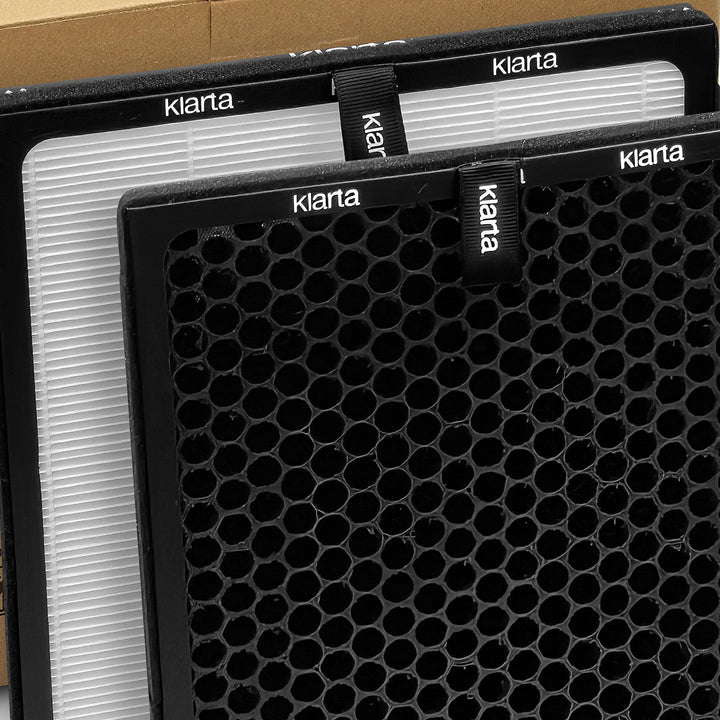
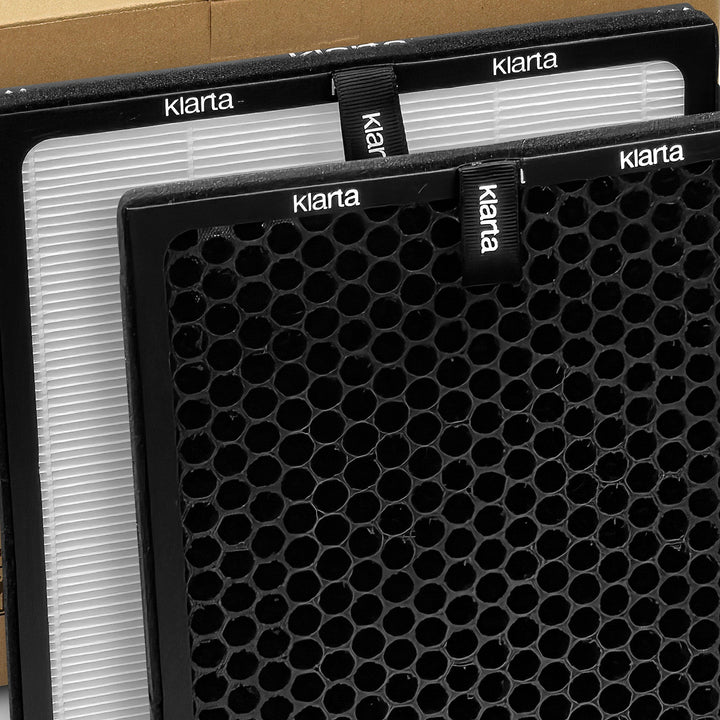
A particle filter can reduce airborne particles. Suitable carbon media may reduce some odor gases, with limits. Choose equipment using our wildfire smoke purifier guide, and keep intakes and outlets clear.
8. Reassess after cleaning
Check whether the smell returns, whether an untreated item remains and whether new smoke is entering. Inspect purifier and HVAC filters according to their instructions. Persistent odor after thorough cleaning may need professional investigation rather than stronger fragrance.
What should you avoid?
Do not mask the problem with candles, incense or perfume. Avoid ozone generators in occupied spaces: EPA guidance explains their risks and limitations. Household bowls of odor absorbers should not be treated as a substitute for source removal and cleaning.
How long does smoke smell take to disappear?
It depends on the source, duration, affected materials and cleaning required. A short cooking incident and years of indoor smoking are very different cases. If the odor is not improving, reassess the source and materials rather than relying on a fixed timetable.
Will a purifier alone solve it?
Usually not when residue is embedded in materials. Also, a weaker smell is not proof that every pollutant has been removed. For rental turnover, use our Airbnb host checklist. For ongoing supplemental particle filtration, compare Klarta air purifiers; US Forste and Stor models do not have ionization.
For practical room layouts, see where to put an air purifier. For the difference between cooking, pet and smoke odors, read whether air purifiers remove odors.
Share:
Read also
Wildfire smoke
Air Purifier for Airbnb Smoke: A Host's Practical Guide
Wildfire smoke
Why Does My House Smell Like Smoke With No Fire?
Wildfire smoke
Air Purifier for Wildfire Smoke: How to Choose and Use One

Comments