Air Purifier for Airbnb Smoke: A Host's Practical Guide
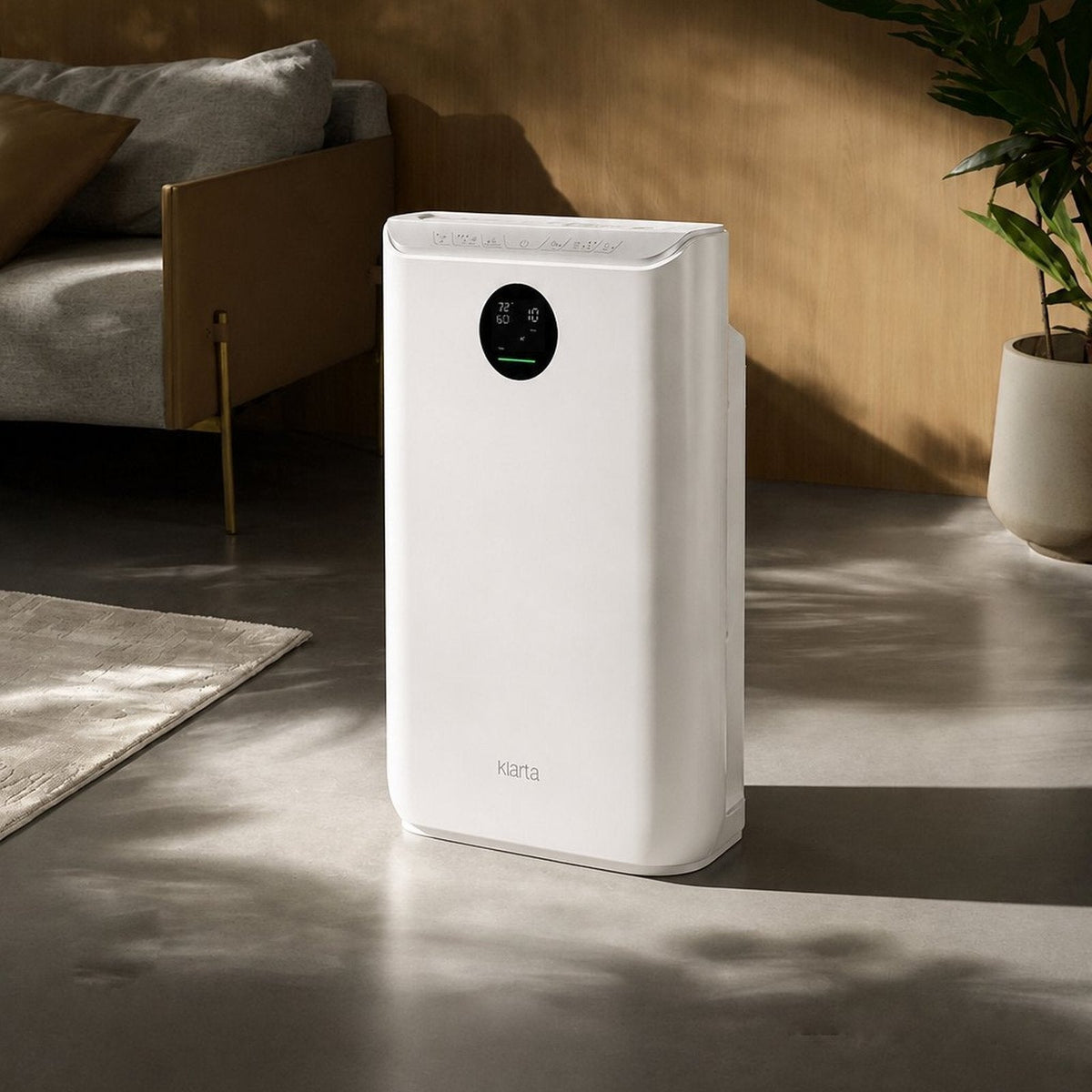
An air purifier can help capture airborne smoke particles in an Airbnb or vacation rental. It cannot clean smoke residue off a sofa or guarantee that a property will be odor-free before the next guest arrives. For hosts, the useful approach combines suitable filtration with cleaning, source control and a clear handoff to the turnover team.
When choosing an air purifier for Airbnb smoke, start with the room it will serve and the work your team can maintain between stays. A device that is straightforward to operate and restock is easier to keep in service.
What can an air purifier do about smoke?
Smoke involves both particles and gases. A mechanical particle filter captures particles that pass through it; activated carbon is used for some gases and odors. Carbon capacity matters, and a particle filter alone does not provide equivalent gas filtration. The EPA's air cleaner guide explains these differences and notes that no purifier removes every indoor pollutant.
Keep a clear no-smoking rule alongside the equipment. EPA guidance on tobacco smoke explains that ventilation and filtration cannot eliminate secondhand smoke exposure. Providing a purifier should not imply that smoking indoors is acceptable.
Choose for the actual room, not the listing's total size
Measure the space where the purifier will run. For a studio, include the connected living area; for a house, plan bedrooms separately rather than assuming one unit in a hallway will serve every closed room.
Compare clean air delivery rate (CADR), particularly a smoke CADR where one is reported, with the room's dimensions. CADR describes particle removal, not odor removal. Ceiling height and open layouts also matter. See our air purifier room size guide and the EPA's filtration guidance before choosing a model.
Check the noise at the setting you expect to use. A quiet bedroom setting and a higher fan setting during turnover serve different needs; do not assume both deliver the same airflow.
A smoke turnover checklist for your team
Give cleaners a repeatable process and a place to record unresolved issues:
- Identify and stop the source. Note whether smoke came from inside the property or outside before deciding how to ventilate.
- Inspect soft furnishings. Check bedding, curtains, rugs and upholstery rather than judging the room only at the doorway.
- Clean affected materials. Launder washable items and clean compatible hard surfaces according to their care instructions. Arrange specialist cleaning for persistent contamination.
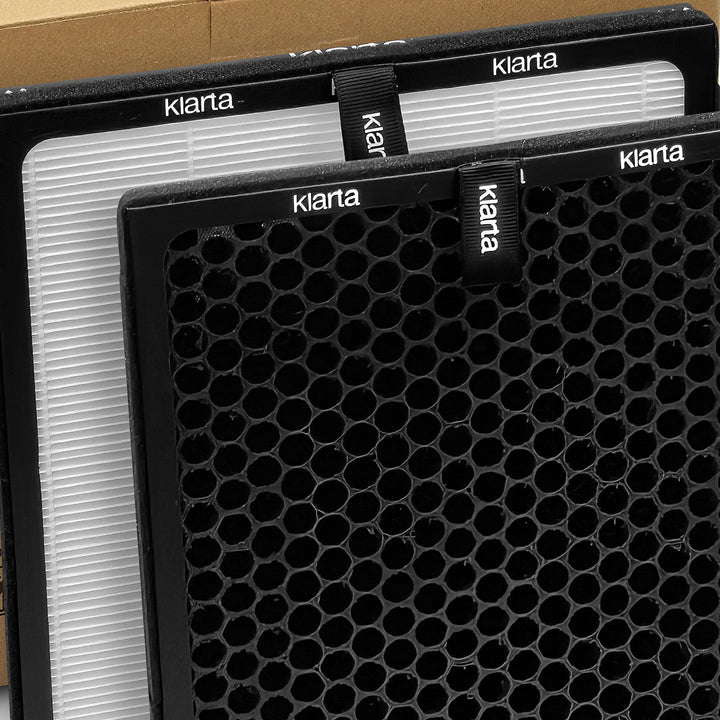
- Check the purifier. Confirm the correct filter is installed, remove any new-filter packaging, and check that air can flow around the unit.
- Record the result. Log the room, cleaning completed, filter condition and any odor that remains. Pass unresolved work to the host before confirming the turnover is finished.
This cleaning step matters because EPA describes smoke chemicals remaining on surfaces and in fabrics, with some returning to the air. Filtration alone does not remove that residue. For laundry and surface care, follow the product labels and safe cleaning guidance.
Change the ventilation plan during wildfire smoke
Opening windows makes sense only when the outdoor air is suitable. During a wildfire smoke episode, bringing smoky outdoor air inside can work against filtration. The EPA's cleaner air room guidance recommends keeping smoke out and airing the space when outdoor conditions improve. Follow local emergency guidance if conditions change.
Add a note to the turnover instructions so the team checks outdoor conditions instead of automatically opening every window.
Make everyday operation simple for guests
Choose controls guests can use without creating an account or installing an app. Try the buttons yourself and leave a short card explaining power, fan speed and any display setting. Use the same wording in your house manual.
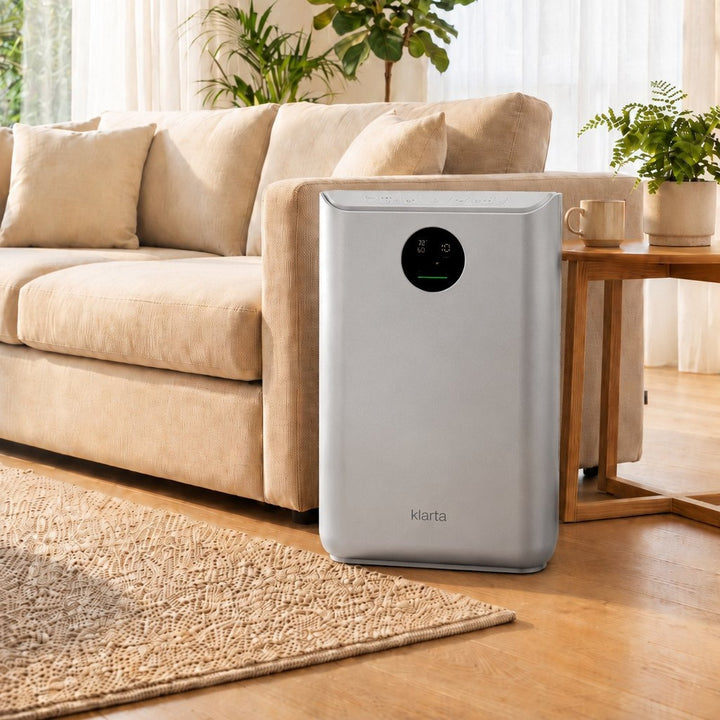
Mark the intended position in the cleaning checklist or include a reference photo. Keep the unit accessible, with the manufacturer's required clearances, rather than hiding it behind curtains or furniture. Ask the team to return it to that spot after cleaning. Guests should know whom to contact if a filter indicator appears or the device stops working.
Keep filters and maintenance in the turnover routine
Before buying, check the replacement filter's price, availability and installation instructions. Keep a compatible spare with the property's supplies and record replacements by room and date. Inspect filters after smoke incidents and follow the manufacturer's cleaning and replacement directions.
Assign one person to manage supplies across bookings. That avoids a common operational gap: a cleaner notices a filter issue, but nobody orders the replacement. If several properties use the same model, label spare stock clearly so it reaches the correct rental.
Build your shortlist around the rental
Bring your room measurements, noise preferences and maintenance plan to the comparison. Explore Klarta air purifiers and compare Klarta models to check the current specifications. Choose filtration that fits the space and a routine your team can consistently follow between stays.
Share:
Read also
Wildfire smoke
Why Does My House Smell Like Smoke With No Fire?
Wildfire smoke
Air Purifier for Wildfire Smoke: How to Choose and Use One
Wildfire smoke
How to Get Smoke Smell Out of Your House: A Practical Cleanup Guide

Comments